Service Business Funnel Guide That Converts
Most service businesses do not have a lead problem. They have a system problem. Traffic comes in, a few people call, some forms get filled out, and then the whole thing depends on speed, follow-up, and whether the website gave buyers enough confidence to take the next step.
That is where a real service business funnel guide matters. Not as a marketing buzzword, but as a revenue system. If you sell a service, your funnel is the path from attention to booked call to signed client. If that path is weak, you do not just lose leads. You waste ad spend, staff time, and growth capacity.
For local and service-based businesses, the goal is not to build some fancy, multi-step internet machine. The goal is simpler than that. You need a funnel that brings in qualified prospects, filters out bad fits, and turns buying intent into booked appointments at a rate that makes the math work.
What a service business funnel actually is
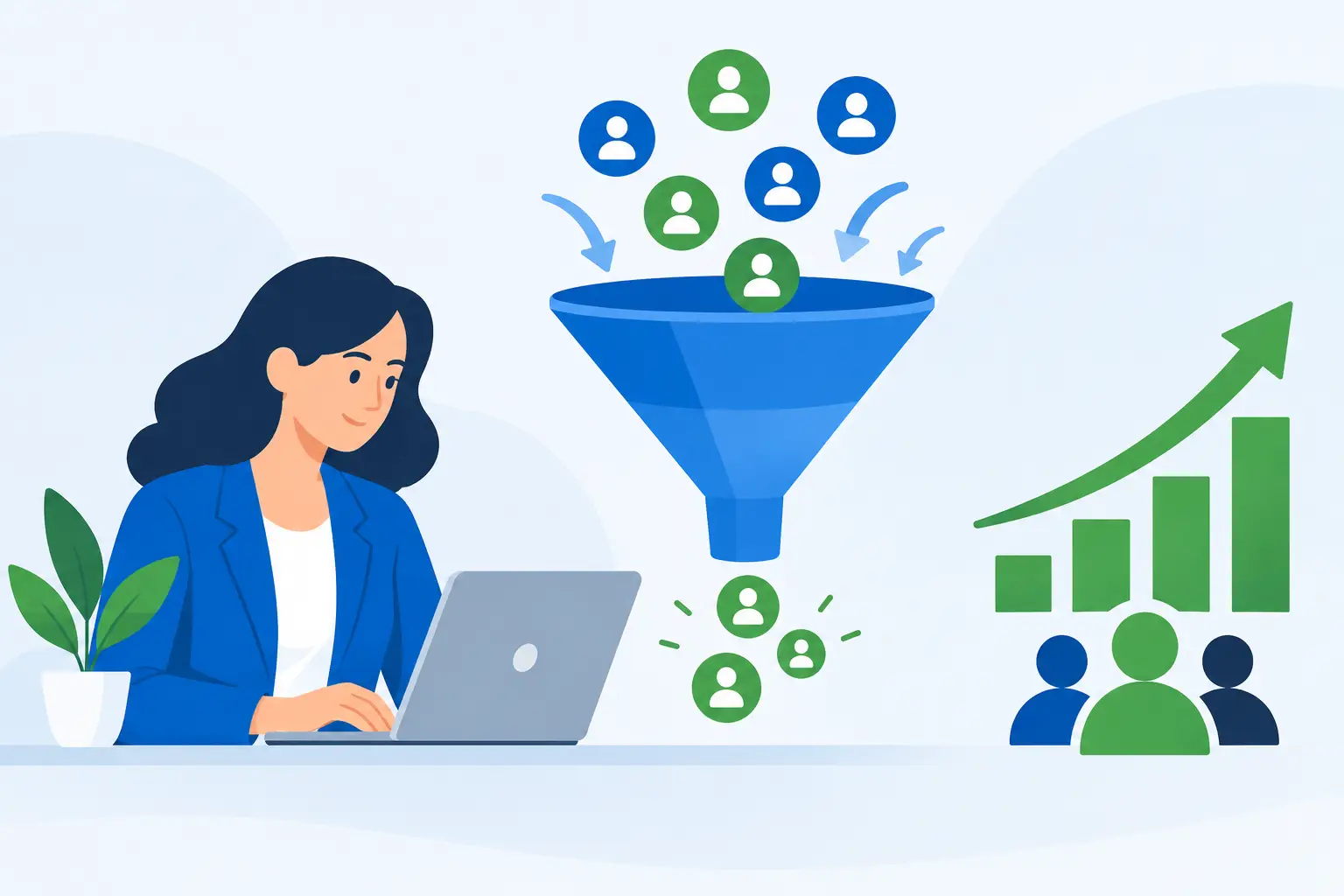
A funnel for a service business is the sequence of touchpoints that moves a stranger toward becoming a client. In most cases, that starts with a Google search, an ad, a referral visit, or a direct visit to your site. From there, the prospect lands on a page, evaluates whether you are credible, decides if you solve their specific problem, and chooses whether to call, book, or leave.
That process sounds obvious, but most businesses make it harder than it needs to be. They send paid traffic to a generic homepage. They bury the offer. They ask for too much too early or too little too late. They treat all leads the same even when intent is completely different.
A strong funnel removes friction at each stage. It gives the right information in the right order. It answers practical buying questions fast: What do you do, who do you help, what happens next, and why should I trust you?
The 5 stages in a service business funnel guide
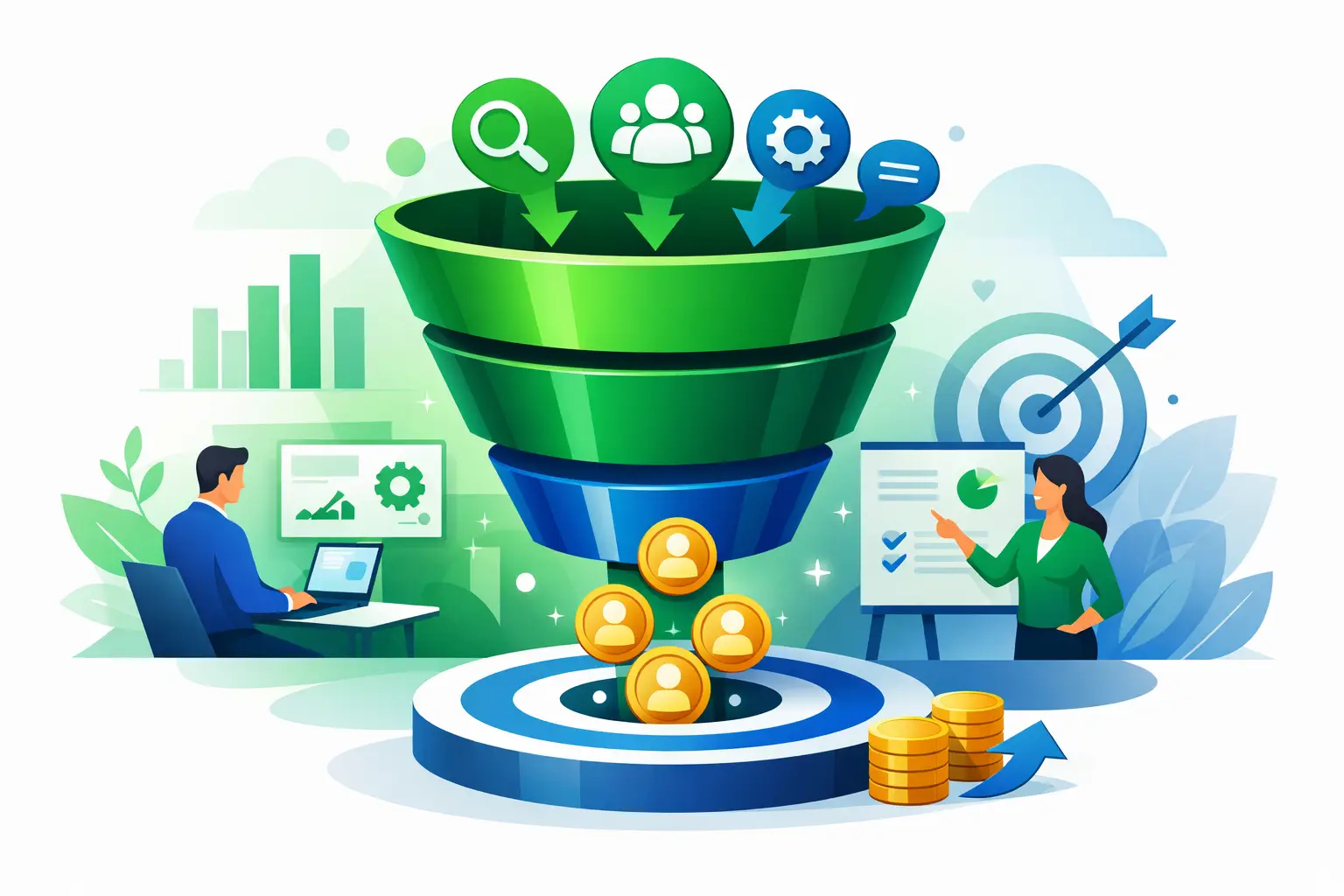
The cleanest way to think about a service funnel is in five stages: attention, click, conversion, follow-up, and close.
Attention is how prospects first hear about you. For most service businesses, high-intent Google traffic matters more than broad awareness campaigns. Someone searching for a roofer, immigration attorney, med spa, bookkeeping firm, or outpatient clinic already has demand. Your job is to show up where that demand exists.
Click is the decision to visit your page or call. This is where your ad, headline, and offer need to match buyer intent. If someone searches for emergency plumbing and lands on a page talking vaguely about quality service since 1998, you already lost them.
Conversion is the moment they take action. That could be a booked consultation, a form fill, a phone call, or a quote request. This stage is where most businesses leak money. Weak headlines, slow pages, cluttered design, missing trust signals, and vague calls to action all drag conversion rates down.
Follow-up is what happens after the lead comes in. This is where a lot of "bad leads" are actually just mishandled leads. If it takes four hours to respond, your competitor probably got there first.
Close is sales execution. Not every business needs a complex sales team, but every service business needs a clear next step, a fast response process, and a consistent way to move qualified leads toward a decision.
Why most funnels underperform
Most underperforming funnels fail for boring reasons, not exotic ones. They are too generic, too slow, or too disconnected from how people actually buy.
A homepage is rarely the best landing page for paid traffic. It tries to speak to everyone, which means it speaks clearly to no one. If you are paying for traffic, that traffic should land on a page built for one audience, one service, and one action.
Another issue is weak intent matching. A family law firm, HVAC company, and cosmetic clinic all need different funnel structures because the urgency, trust threshold, and buying process are not the same. The right funnel depends on the service, price point, and how much risk the buyer feels.
Then there is follow-up. A business can spend thousands getting the phone to ring and still lose because calls go unanswered, forms sit in an inbox, and nobody has a system for reactivating leads who did not book on day one.
How to build a funnel that makes the math work
If you want this service business funnel guide to be useful, focus on economics before aesthetics. A funnel is not good because it looks polished. It is good if customer acquisition cost, close rate, and lifetime value leave room for profit.
Start with traffic source. For most service businesses, high-intent traffic wins because it shortens the sales cycle. Search traffic usually converts better than colder channels because the person is already looking for help. That does not mean every business should ignore social or referrals. It means you should know which channel produces leads that actually close.
Next, build a dedicated landing page around one service and one offer. The page should make the problem clear, show the solution fast, establish trust, and push one primary action. A strong page usually includes a sharp headline, clear service positioning, proof, simple process explanation, and a call to action that feels like a logical next step.
Trust matters more in services because buyers are purchasing an outcome they cannot inspect in advance. That means social proof, credentials, review quality, case examples, and specific claims matter. Generic statements do not help much. Specifics do. If you helped 200 businesses, say that. If your team manages millions in ad spend or has recovered measurable dollars through better systems, that carries weight because it reduces buyer uncertainty.
Then tighten the conversion path. If your main goal is booked calls, make booking obvious. If phone calls convert best, prioritize click-to-call. If your service requires qualification, use a short form that screens for fit without creating unnecessary friction. There is always a trade-off here. Shorter forms increase lead volume, but longer forms can improve quality. The right answer depends on your sales capacity and deal size.
A practical service business funnel guide for lead quality
A common mistake is chasing more leads when the real issue is lead quality. Better funnels do not just increase volume. They shape who converts.
That starts with message clarity. If you work with a specific type of client, say it. If you solve a high-value problem, say it. If your pricing starts at a certain level, there are cases where putting that in the funnel saves everyone time.
Good funnels also pre-handle objections. Prospects want to know how fast you respond, what the process looks like, whether you serve their area, and if you have solved this problem before. When those questions are answered early, conversion goes up because uncertainty goes down.
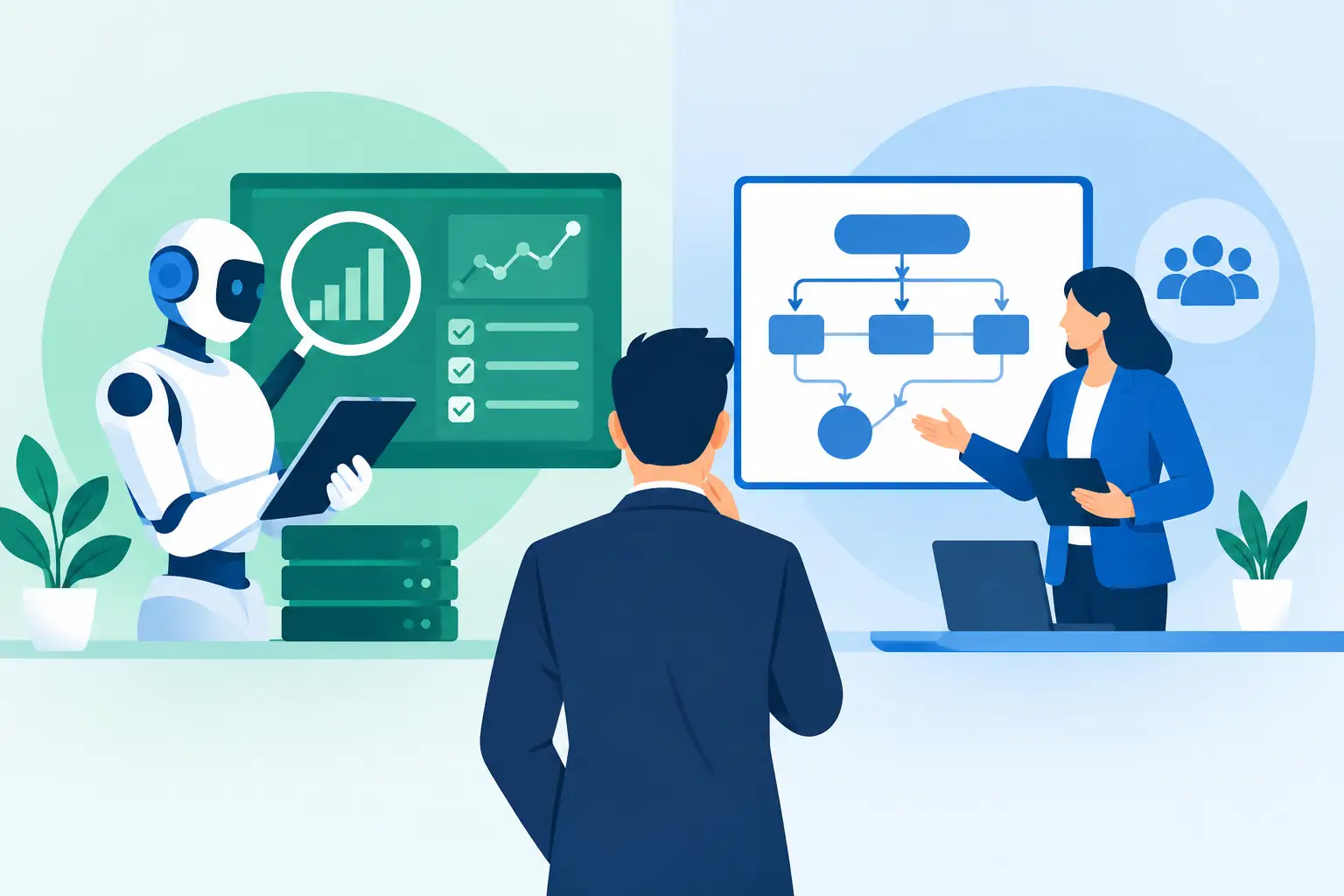
This is also where operations and marketing meet. If your funnel generates 30 leads a month but your team only follows up with half, the answer is not always more marketing. Sometimes the highest ROI fix is a better intake process, automated reminders, call tracking, or a tighter handoff between sales and operations.
The numbers that tell you if your funnel is healthy
Most owners track leads and revenue. That is not enough. A funnel should be measured stage by stage so you can see where money is leaking.
At minimum, track click-through rate, landing page conversion rate, cost per lead, contact rate, booking rate, show rate, close rate, and customer acquisition cost. If you stop at cost per lead, you can make bad decisions fast. Cheap leads that never answer the phone are expensive. Higher-cost leads that close at 25% are often the better buy.
For many service businesses, a landing page converting at 10-20% on qualified traffic is a strong benchmark. Not every market will hit that. Emergency services, high-trust professional services, and higher-ticket categories all behave differently. But if you are converting at 2-3%, there is usually a fixable problem in the page, the traffic quality, or both.
What changes by service type
Not every funnel should look the same. A med spa may need stronger visual proof and financing clarity. A law firm may need tighter trust positioning and urgency messaging. A home services company may win with speed, local credibility, and simple quote flow. A B2B service may need a longer nurture path because multiple stakeholders are involved.
That is why templates only get you so far. The right funnel depends on buying urgency, average deal value, sales cycle length, and how much education the buyer needs before taking action.
The good news is that the core principle stays the same. Reduce friction. Increase trust. Match the message to intent. Follow up fast. Measure the whole path, not just the top of the funnel.
If your funnel is underperforming, do not guess. Work backward from revenue. Find the stage where conversion breaks, fix that stage first, and make sure the improvement changes profit, not just activity.
Ready to turn your website into a client-getting machine? Book a free strategy call at nilsdigital.com/marketing.