A Service Business Lead Generation Example That Pays
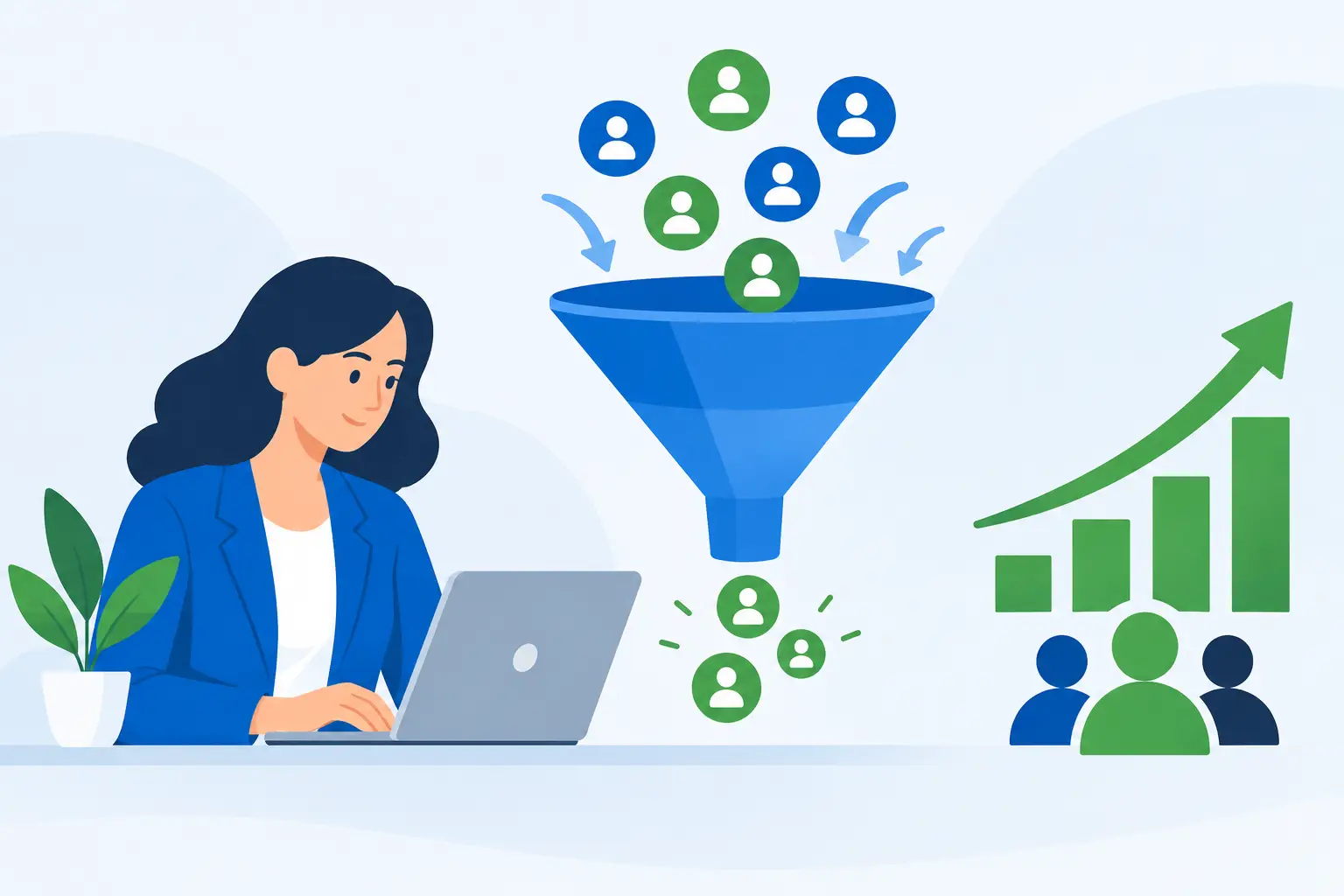
A service business lead generation example is only useful if it shows the math. A busy calendar means nothing if your cost to acquire a customer eats the job’s profit, your team cannot answer calls fast enough, or the leads are shopping three competitors with no intention of buying. The goal is not more form fills. The goal is a predictable path from high-intent search to a profitable booked job.
Here is what that looks like for a fictional but realistic home-services company: a Chicago-area water damage restoration business with a solid reputation, a capable field team, and inconsistent lead flow. They had relied on referrals and lead marketplaces. Some months were full. Other months, trucks sat idle while payroll did not.
The Service Business Lead Generation Example: Water Damage
Water damage is a high-urgency service. When a homeowner has water in the basement at 9 p.m., they are not browsing for inspiration. They are searching for help now. That urgency makes Google Ads a strong channel, but only when the landing page, call handling, and follow-up are built around the actual buying decision.
Before running ads, the business needed a baseline. Its average emergency job produced $4,800 in revenue. After labor, materials, subcontractors, and variable costs, the contribution margin was 42%, or about $2,016 per completed job. The owner decided a $700 customer acquisition cost was acceptable because it still left room for profit and overhead.
That number matters. Without it, an agency can celebrate a $75 lead while the owner has no idea whether the campaign is working.
Step 1: Target Searches That Signal Immediate Need
The campaign did not bid broadly on phrases such as “water restoration tips” or “how to dry carpet.” Those searches can create traffic, but traffic is not revenue.
Instead, it focused on service-and-location terms with clear commercial intent: “emergency water removal Chicago,” “water damage restoration near me,” “flooded basement cleanup,” and “burst pipe cleanup.” Ads were organized by service type, not thrown into one generic campaign. A flooded basement customer has a different concern than a commercial property manager dealing with a broken sprinkler line.
The trade-off is volume. Narrower targeting can produce fewer clicks than a broad campaign. But a smaller number of calls from people who need service today is worth far more than a large pile of low-intent visitors.
Negative keywords did just as much work as the keywords. The business excluded job seekers, training searches, DIY queries, free advice searches, and equipment rentals. Every irrelevant click removed protects the budget for people ready to hire.
Step 2: Send the Click to a Page Built to Get the Call
The old website sent every visitor to a general homepage. It looked professional, but it asked a person with an active flood to navigate services, read an about page, and find a contact form. That is friction with a price tag.
The new landing page opened with the customer’s problem: emergency water removal with a clear local service area and 24/7 response. It showed a prominent phone number, a short estimate request form, proof of insurance and certification, real reviews, and direct language about what happens next. Call now. Speak with a real person. Get a crew dispatched.
No clever slogans. No stock-photo carousel. No ten-page navigation menu.
For a service business, conversion is often won or lost in the first five seconds. A prospect should immediately know three things: you handle their exact problem, you serve their area, and there is an obvious next step.
The page also used separate tracking for calls and forms. That distinction is essential. A 90-second phone call from someone describing standing water is not equal to a two-word form submission that says “price?” Reporting them as the same type of lead hides the truth.
Step 3: Treat Speed to Lead as Part of Marketing
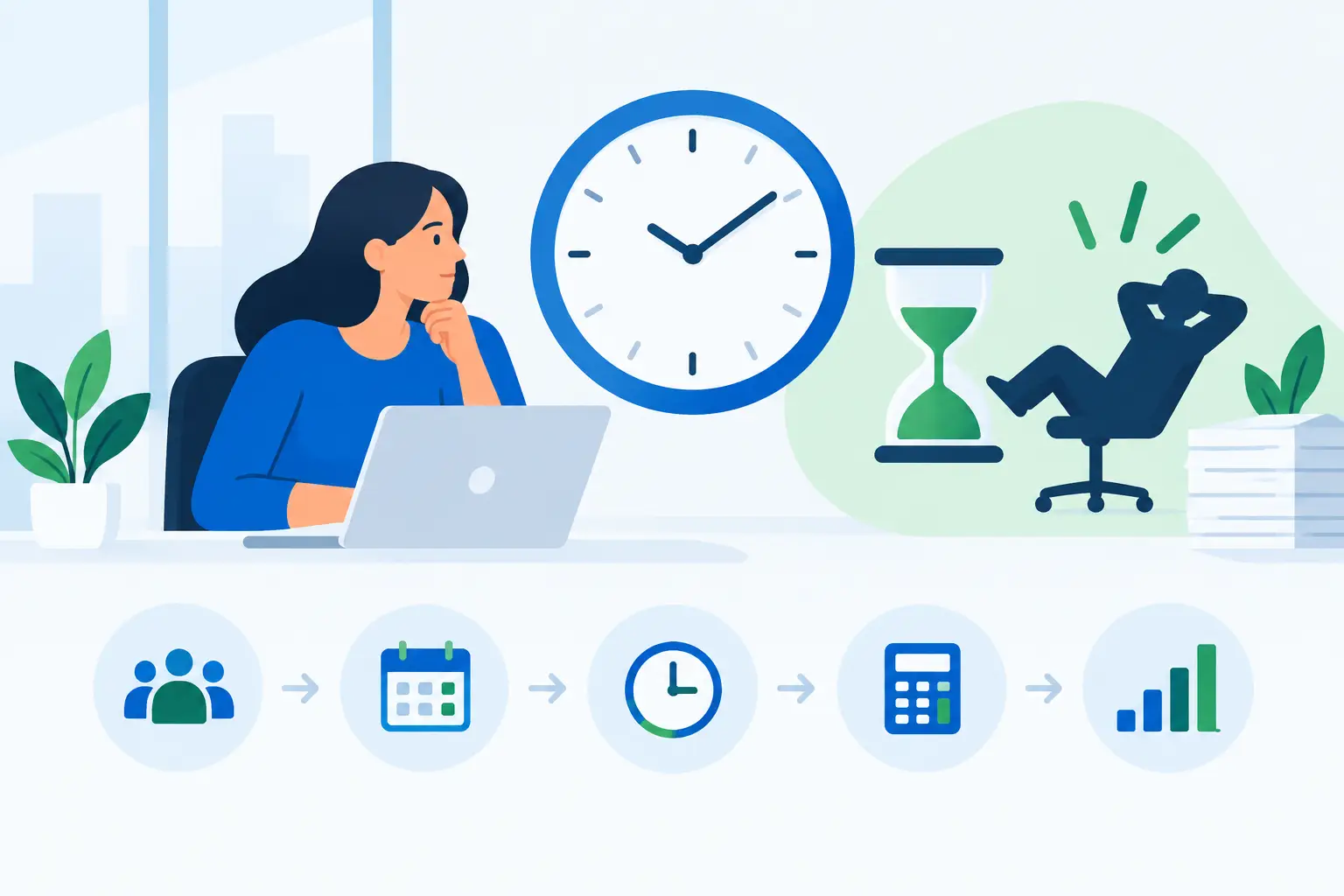
The ads began driving calls, but the first week exposed a bigger issue. Calls that reached voicemail during evenings and weekends rarely converted. The business was paying for the highest-intent leads and then giving them time to hire the next company.
The fix was operational, not creative. The owner set a live-answer process for ad calls, with a backup person assigned whenever the primary dispatcher was unavailable. Web forms triggered an immediate text notification, followed by a call within five minutes. Missed calls received a text within one minute asking whether the customer needed emergency service.
That sounds basic because it is basic. It is also where many service businesses lose thousands of dollars every month.
If your average job is worth $3,000 and you miss just four qualified calls per month, the revenue left on the table can easily exceed the cost of fixing your phone coverage. Do not buy more leads until you know what happens to the leads you already have.
The Numbers After 30 Days
Over 30 days, the campaign spent $4,200 on Google Ads and generated 68 tracked inquiries: 44 phone calls and 24 form submissions. After removing wrong numbers, out-of-area requests, and unqualified inquiries, 51 leads were legitimate opportunities.
The business booked 19 inspections or emergency dispatches. Twelve became paid jobs, producing $57,600 in revenue. At a 42% contribution margin, those jobs created $24,192 before fixed overhead. Subtracting the $4,200 ad spend left $19,992 in contribution toward overhead and profit.
The top-line numbers looked like this:
- Cost per qualified lead: about $82
- Cost per booked job: about $221
- Cost per acquired customer: $350
- Revenue for every $1 in ad spend: $13.71
This is not a promise that every service company will see the same result. Job values, close rates, local competition, seasonality, and response times all change the outcome. But it shows why the right measurement framework matters. The business was willing to pay up to $700 to acquire a customer. It acquired customers at $350. That created room to scale without guessing.
What Made This Lead Generation Campaign Work
The campaign did not win because of an obscure ad trick. It worked because every part of the system agreed on the commercial objective.
First, the offer matched demand. Emergency customers wanted immediate help, not a downloadable guide or a vague promise to “get in touch.” Second, the ads matched the search terms and the landing page repeated the same service language. That message match improves trust and reduces wasted clicks.
Third, the business measured outcomes past the lead stage. Cost per click and click-through rate can help diagnose a campaign, but they are not business results. A campaign with more expensive clicks can be more profitable if those clicks turn into higher-quality calls and better jobs.
Finally, the owner had capacity to fulfill the work. Lead generation can create a new bottleneck. If crews are booked out for two weeks, dispatchers cannot answer, or estimates sit untouched for days, increasing ad spend simply makes the mess more expensive. Growth has to be operationally ready.
How to Apply This to Your Service Business
Start with the value of a new customer, not an advertising budget. Calculate the average revenue per completed job, the variable cost to deliver it, and the profit contribution left after those costs. Then choose a maximum acquisition cost that makes financial sense.
Next, audit your current path from search to sale. Search your own service plus your city. What does a prospect see? Can they call in one tap? Does the page clearly state the service, geography, proof, and response time? Then call your own business after hours. If the experience is slow or confusing, fix that before adding traffic.
You also need a simple scorecard. Track ad spend, qualified calls, qualified forms, appointments, closed jobs, collected revenue, and customer acquisition cost. Review it weekly. If we cannot back a marketing decision with math, it should not get more budget.
The point is not to copy a water damage campaign word for word. A dental practice, law firm, HVAC company, med spa, commercial cleaning company, or real estate team will have different search behavior and sales cycles. The underlying system stays the same: capture high-intent demand, make the next action obvious, respond quickly, and measure profit instead of vanity metrics.
A lead is not an asset until your business can turn it into a customer. Build the process around that fact, and your marketing stops being a monthly expense you hope works. Ready to turn your website and Google Ads into a client-getting system? Book a free strategy call with Nils Digital’s marketing team.