Missed Followup Revenue Loss Costs You Clients

A prospect calls after seeing your ad, fills out a form, or asks for a quote. Your team means to respond. Then a technician runs late, an inbox gets buried, or the owner assumes someone else handled it. That missed followup revenue loss is not a vague marketing problem. It is revenue your business already paid to generate and then handed to the next company that answered.
For service businesses, the damage compounds quietly. One unreturned inquiry can mean a $2,000 project. A slow quote follow-up can mean a $20,000 commercial account. A missed reactivation message can turn a customer who should have booked again into someone who never comes back. You do not need more software for the sake of it. You need a system that makes the next profitable action happen on time, every time.
Why missed followup revenue loss is usually underestimated
Most owners look at closed revenue and lead volume. They rarely look at the gap between the two with enough precision. The result is a familiar conclusion: "We need more leads." Sometimes that is true. More often, the business has a follow-up problem hiding inside a lead-generation problem.
Start with the math. If you receive 100 qualified inquiries per month, close 25 percent of the leads your team actually contacts, and fail to reach 20 inquiries, those 20 are not just missed calls. At a $3,000 average job value, even a conservative 15 percent recoverable close rate represents $9,000 in monthly revenue left on the table. That is before repeat work, referrals, and lifetime value.
The exact number depends on your industry, deal size, lead quality, and sales cycle. A same-day HVAC call should be treated differently from a six-month commercial construction opportunity. But the principle does not change: every lead needs an owner, a next step, and a deadline. If any of those are unclear, follow-up becomes optional in practice.
The leaks are often between teams, not inside one inbox
Owners often blame a salesperson for poor follow-through. That can be part of it, but the more expensive failures usually happen at handoffs. Marketing receives a web form. The office forwards it to a scheduler. The scheduler leaves a voicemail. A field manager is supposed to price the work. Nobody updates the customer. Three days pass.
No one involved necessarily did nothing. The system simply did not make responsibility visible.
The same pattern shows up after the sale. A client finishes onboarding but never receives the next scheduling prompt. An estimate expires without a reminder. An invoice is sent but no one follows up on payment. A completed project is never routed into review requests, referral outreach, or maintenance renewal. Each gap seems small when viewed separately. Together, they create a material drag on growth and cash flow.
This is why a generic CRM reminder is not a complete answer. A reminder can tell someone to act, but it cannot resolve bad data, unclear routing rules, missing context, or a process that requires five people to remember what happened last. The fix must match the actual failure point.
Find the follow-up gap before buying another tool
A useful diagnosis follows the customer journey from first inquiry through payment and repeat business. Do not begin with a list of AI features. Begin with timestamps and outcomes.
First, pull a sample of recent leads, estimates, and customers. For each one, identify when the inquiry arrived, when a human first responded, whether contact was made, when the next step occurred, and the final outcome. This quickly exposes whether your problem is speed, persistence, ownership, or visibility.
Next, calculate response-time distribution, not just an average. An average can hide serious failures. If half of leads receive an answer in five minutes and the other half wait two days, the average looks acceptable while a major portion of your pipeline is being abandoned. For urgent service categories, minutes matter. For longer B2B sales cycles, consistency and structured follow-up matter more.
Then inspect what happens after the first contact. Many teams respond quickly but stop after one call or one email. That is not a follow-up sequence. It is a single attempt. A qualified prospect who does not answer at 10:30 a.m. may respond to a text at lunch, an email later that afternoon, or a call the next morning. The right cadence depends on consent, your industry, and the buyer's urgency, but it should be deliberate rather than improvised.
Finally, connect operational data to financial outcomes. Track the value of leads that never received a response, estimates without a second touch, overdue invoices without outreach, and former clients who have not been contacted. If you cannot put a dollar figure on a gap, it is easy for the team to treat it as an inconvenience instead of a priority.
Build a system that acts before revenue goes cold
The strongest follow-up systems do not replace good people. They remove the repetitive work that causes good people to drop the ball when the day gets busy.
A new lead should be captured in one place, tagged by source and service type, and routed to the correct person immediately. The assigned owner should receive the context they need to respond, while the prospect receives a timely confirmation that sets expectations. If no action is logged within the agreed window, the system should escalate instead of hoping someone notices.
Estimates need their own workflow. Once a proposal is sent, the system should trigger a sequence of useful reminders, notify the right team member when a prospect engages, and surface stalled opportunities for a personal call. Automation should handle the timing and tracking. Your team should handle objections, judgment calls, and high-value conversations.
For existing customers, follow-up should be based on meaningful moments: completed work, renewal windows, missed appointments, unpaid invoices, and service intervals. A plumbing company may use different triggers than a therapy clinic or a real estate team. Copying another business's workflow without understanding your customer journey is how companies create more noise instead of more revenue.
Where AI helps, and where it does not
AI can classify inbound messages, summarize call notes, draft responses using approved language, identify leads that need attention, and pull data from scattered systems into a usable view. Used correctly, it reduces the manual checking that eats up staff time and delays decisions.
It should not be given unchecked authority over sensitive client communication, pricing exceptions, legal questions, or emotionally complex situations. The goal is not to make your business sound automated. The goal is to ensure a real opportunity never disappears because a capable employee was overloaded.
That trade-off matters. A fully automated text sequence may improve contact rates but hurt trust if messages are generic or badly timed. A human-only process can feel personal but fails when volume rises. The practical answer is usually a hybrid: automation handles capture, routing, reminders, and escalation; people handle the conversations where expertise and accountability matter.
Measure recovery, not activity
Do not judge a follow-up improvement by the number of tasks created or messages sent. Measure first-response time, contact rate, estimate-to-close rate, time to payment, reactivation revenue, and the share of leads with no documented next step. Compare those numbers before and after the change.
A business does not need to recover every lost opportunity for the work to pay for itself. Recovering a few high-value jobs per month can justify a better workflow quickly. But the opposite is also true: automating a broken process at scale only helps you make mistakes faster.
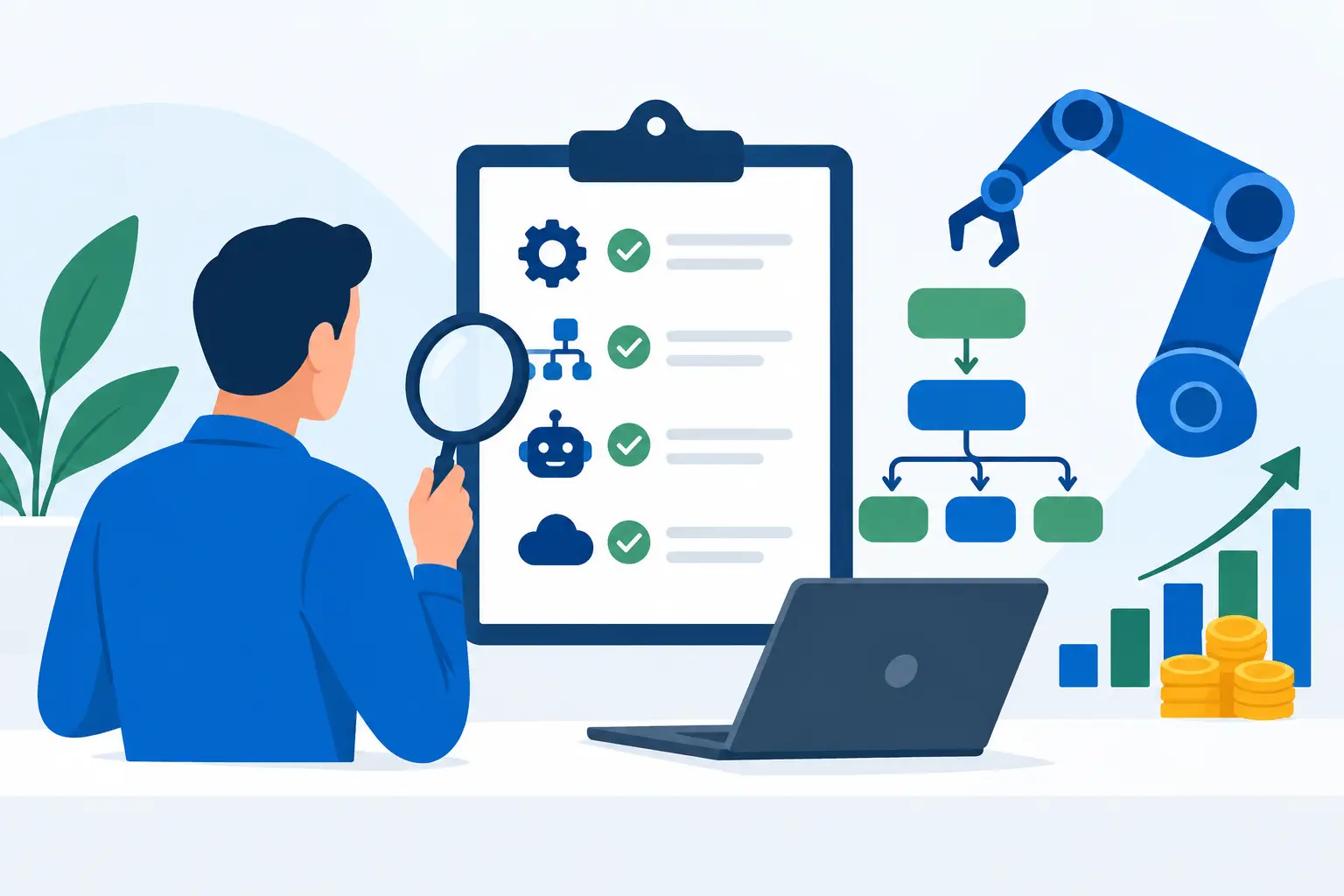
At Nils Digital, the starting point is an audit of the actual workflow across marketing, sales, fulfillment, billing, and operations. The question is always the same: where are hours and dollars leaking, what is each fix worth, and what should happen first? If we cannot back a recommendation with math, it does not belong in the roadmap.
Your next lead should not depend on somebody remembering a sticky note at the end of a chaotic day. If you want to know where missed followup revenue loss is costing your business real dollars, book a free call with Nils Digital's automation team.