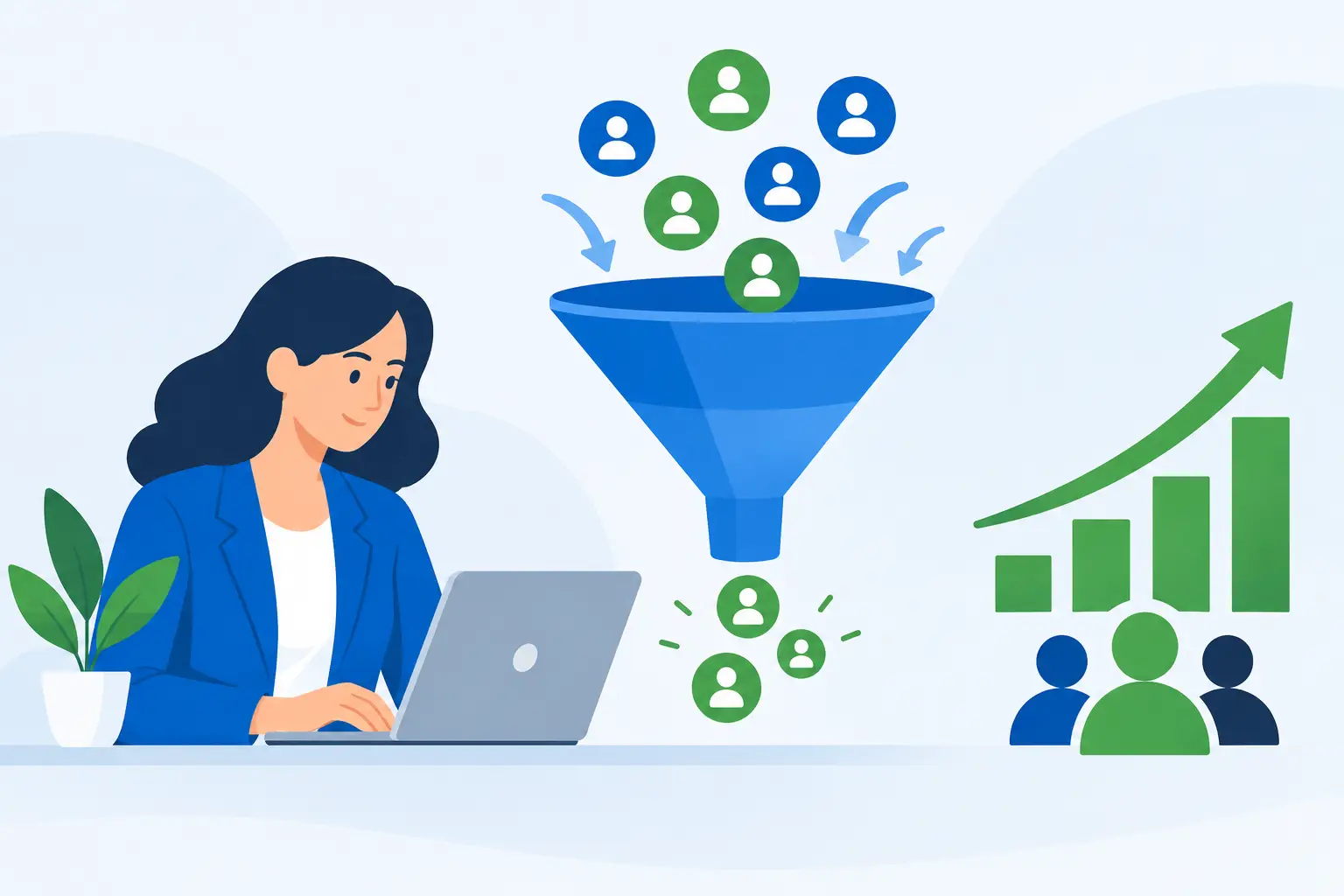
How to Automate Client Onboarding Emails for Growth

A new client should feel momentum the moment they sign. Instead, many service businesses make them wait while someone remembers to send a welcome email, hunts down a contract, creates a project folder, and asks the same intake questions for the third time. If you are figuring out how to automate client onboarding emails, the goal is not to send more messages. It is to remove costly gaps between a signed agreement and productive work.
Those gaps are not harmless. A missed kickoff email creates a support request. An unclear next step delays intake. A client who does not know what you need sends incomplete information, and your team spends hours chasing it. Multiply that across 10, 30, or 100 new clients a month, and onboarding becomes a payroll problem.
The fix is a triggered email system built around real client milestones, clear ownership, and measurable outcomes. Here is how to build one without turning your onboarding into an impersonal software maze.
Start With the Dollars, Not the Email Copy
Before choosing automation software or writing a welcome sequence, map what actually happens after a client says yes. Follow the process from signed contract and paid invoice through kickoff, delivery, and the first completed milestone.
Write down every manual action: sending a welcome note, requesting documents, assigning a team member, scheduling a kickoff call, creating a folder, adding the client to your project tool, and following up on missing intake details. Then attach a time estimate and an hourly cost to each one.
For example, if an account coordinator spends 20 minutes per client sending and chasing onboarding emails, and you onboard 40 clients a month, that is more than 13 hours monthly before they do any client-facing work. The bigger cost may be delayed revenue. If incomplete intake pushes fulfillment back by two days, your capacity and cash flow both take the hit.
Automate the repetitive communication first. Keep human judgment where it affects trust, scope, pricing, or a client relationship that needs personal attention.
How to Automate Client Onboarding Emails Around Events
The best onboarding emails are not sent because it is Tuesday or because someone added a client to a spreadsheet. They are triggered by an event that matters.
A signed agreement is one event. A successful payment is another. A completed intake form, a booked kickoff call, or a missed deadline can each trigger a different message. This makes the experience feel timely because it is timely.
A basic flow for most service businesses looks like this:
- The client signs the agreement or pays the first invoice.
- The system sends a welcome email with one clear next action.
- The client completes an intake form or uploads required documents.
- The system confirms receipt and directs them to schedule kickoff, if needed.
- Internal notifications assign the work and flag anything incomplete.
- A reminder sequence follows up only when the required action has not happened.
The sequence itself is simple. The hard part is making sure each trigger comes from a reliable source of truth. If your CRM says a client is active, your billing system says payment failed, and your project tool says kickoff is booked, you have three versions of reality. Automation will only make that confusion happen faster.
Pick the system that owns each milestone. For many businesses, the CRM should own client status, the billing platform should confirm payment, and the project management tool should own delivery tasks. Your automations should pass verified data between those systems rather than asking staff to re-enter it.
Build Emails That Move the Process Forward
Each onboarding email should have one job. A welcome message should make the client feel confident and tell them what happens next. An intake email should request the exact information your team needs. A kickoff reminder should reduce no-shows and set expectations.
Do not combine five requests into one long email. That is how clients miss the one thing that holds up delivery.
Your first email can be short: thank them for choosing you, confirm the service they purchased, introduce the person responsible for the relationship, and give them one next step. If they need to complete an intake form, make that the only action. Tell them how long it takes and what happens after submission.
The confirmation email after intake matters just as much. Clients want proof that their work did not disappear into a black hole. Confirm receipt, state what your team is doing now, and set a realistic timeline for the next contact. This reduces “just checking in” emails and protects your team from unnecessary back-and-forth.
For high-value or complex engagements, add a personal touch after the automated message. The system can alert the account owner to send a brief personal video or note. Automation handles the administrative load. Your people handle reassurance, strategy, and the details that make a client stay.
Use Conditional Logic So Clients Do Not Get Wrong Emails
Bad automation is obvious. It sends a kickoff reminder after the client already attended. It asks for a payment after the invoice is paid. It delivers a generic message that does not match what the client bought.
Conditional logic prevents this. Before a message goes out, the system should check whether the client has completed the related action. If the intake form is complete, stop intake reminders. If a kickoff call is booked, send preparation details instead of another scheduling link. If the service package is different, send the relevant checklist and timeline.
This is where a simple workflow often needs more thought than a simple email platform can provide. A solo consultant with five clients a month may only need a form, a calendar, and a basic email sequence. A multi-location clinic, agency, or professional service firm may need workflows that account for different services, payment states, approval steps, and internal teams.
Do not overbuild on day one. Start with the path that creates the most delays or generates the most client questions. Once that path works, add the exceptions that occur often enough to justify automation.
Automate Internal Handoffs Too
Client-facing emails are only half the process. If the client completes intake but your fulfillment team does not know, you have automated communication without improving operations.
Every major client action should create an internal handoff. When payment clears, create the client record and assign an owner. When intake is complete, notify the delivery lead and create the required tasks. When a client has not responded after a defined period, flag the account for human follow-up instead of sending reminders forever.
Be specific about ownership. “The team gets notified” is not a process. Name the role, assign the task, set the due date, and make escalation visible. That is how you prevent clients from falling between sales and fulfillment.
A useful test is to ask: if the person who usually runs onboarding is out for a week, does the process still move? If the answer is no, you have a person-dependent workflow, not an operating system.
Measure the Results That Matter
Open rates are not the main scorecard. A client can open every email and still fail to complete the intake form. Measure the operational result instead.
Track time from payment to completed intake, time from intake to kickoff, percentage of clients who complete required steps without staff follow-up, no-show rates, and staff hours spent per onboarding. If your onboarding is tied to a service that starts generating revenue quickly, also measure time to first deliverable or time to first measurable client result.
Review the workflow after the first 20 to 30 clients move through it. Look for the exact point where clients stall. If 60% open the intake email but only 35% submit the form, the problem may be the form length, not the email. If clients submit everything but kickoff calls are delayed, the bottleneck may be internal scheduling capacity.
If you cannot connect a change to hours recovered, errors reduced, faster delivery, or retained revenue, it is probably not the first automation worth building.
Common Mistakes That Waste More Time
The first mistake is automating a broken process. If your team does not agree on what information is required before work begins, an automated intake email will only standardize confusion.
The second is removing every human touch. Some clients need a clear system. Others, especially higher-ticket or sensitive service engagements, need to know a real person is accountable. Use automation to make your team more responsive, not harder to reach.
The third is treating software as strategy. Buying a new platform does not fix fragmented data, unclear roles, or a weak offer. The tool matters less than the workflow design and the financial case behind it.
At Nils Digital, we start by finding the bottlenecks that cost the most in wasted payroll and lost revenue. That is the standard your onboarding automation should meet: fewer handoffs, faster starts, and numbers you can verify.
Want to know exactly where automation could recover hours and dollars in your business? Book a free automation call with Nils Digital.