Google Ads vs SEO: Where Service Firms Win

A law firm with open capacity, a clinic with appointment slots to fill, or a contractor heading into its busy season does not need more website visitors someday. It needs qualified calls now. That is the real decision behind Google Ads vs SEO: are you buying immediate demand, building an asset that compounds, or using both without a clear financial reason?
Too many agencies make this sound philosophical. It is not. The right channel depends on your sales cycle, local competition, close rate, margins, capacity, and how quickly you need revenue. If the numbers do not work on paper, more traffic will not rescue the plan.
Google Ads vs SEO: The Core Difference
Google Ads puts your business in front of people already searching for a service. You pay when someone clicks. With the right keyword targeting, offer, landing page, and follow-up process, a campaign can start generating leads within days.
SEO earns visibility in unpaid search results. You invest in technical site work, location pages, service content, reviews, authority, and ongoing optimization. It usually takes longer to produce meaningful volume, especially in competitive markets, but the traffic does not disappear the moment you pause spend.
The simplest way to frame it is this: Google Ads rents attention. SEO builds an owned source of attention. Renting can be highly profitable. Owning can be highly valuable. Neither matters if the calls do not turn into booked jobs and collected revenue.
When Google Ads Is the Better Business Decision
Google Ads is built for urgency. A homeowner searching "emergency plumber near me" is not researching for six months. A business owner searching for a payroll compliance consultant may be much closer to a decision than someone casually reading a blog post about payroll rules.
That intent is why paid search works so well for service businesses with a clear offer and healthy unit economics. You can target the services you want, the locations you serve, and the times when your team is available to answer. You can also stop spending on what does not work instead of waiting months for an SEO page to gain traction.
Google Ads makes the most sense when you need to fill capacity quickly, have a high-value service, or are entering a market where organic rankings will take time. It is also useful for testing. Before investing heavily in a new service page, you can run paid traffic to learn whether people search for the offer, which message earns calls, and whether those calls close.
But traffic is not the product. A campaign that sends 100 clicks to a slow, generic website can burn money with impressive-looking reports. The real calculation is cost per acquired client.
If you spend $2,000 to generate 20 leads, your cost per lead is $100. If five of those leads become customers, your acquisition cost is $400 per customer. That may be excellent for a business earning $3,000 on the initial job and more on repeat business. It may be a disaster for a low-margin service that earns $450 once.
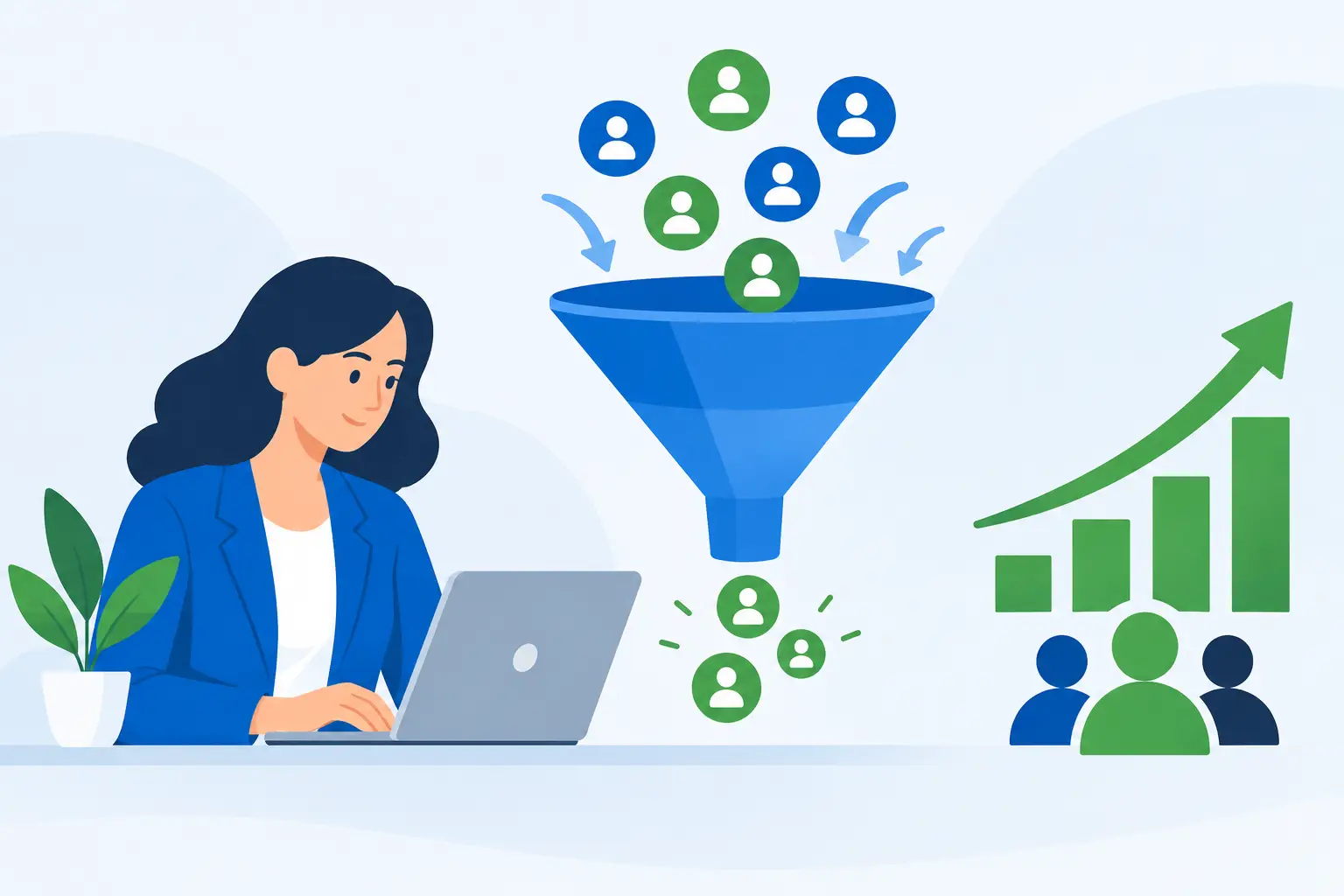
Google Ads is not expensive because clicks cost money. It is expensive when the funnel leaks. Weak landing pages, broad keywords, unqualified leads, missed calls, and slow follow-up are the usual causes.
The Trade-Off: You Need Operational Readiness
Paid leads move fast. If your team takes three hours to call back, the prospect may have already booked a competitor. If reception cannot tell a qualified inquiry from a price shopper, you cannot tell whether the campaign failed or your sales process did.
Before increasing ad spend, know four numbers: your average customer value, gross margin, lead-to-customer close rate, and the maximum acquisition cost you can afford. Then measure calls, forms, booked appointments, and closed revenue - not just clicks.
When SEO Is Worth the Wait
SEO becomes more attractive when your business has a durable market, serves multiple locations, and can afford to build demand before it is urgently needed. It is particularly valuable for services with recurring searches, strong local intent, and a customer lifetime value that justifies consistent investment.
A well-built SEO presence can lower your blended acquisition cost over time. Ranking for the services and locations that matter means you are not paying Google for every visit. It also gives prospects another reason to trust you. People often click an ad, then search your company name, review your website, read reviews, and compare options before contacting you.
That does not mean SEO is free. Good SEO requires work: site architecture, accurate service information, local relevance, technical cleanup, useful content, reputation building, and patience. Cheap SEO often means a batch of generic articles, questionable links, and monthly reports that cannot connect activity to revenue.
For a local service business, SEO should not begin with publishing 50 blog posts. Start with the pages closest to revenue. Build clear service pages for what you actually sell, location pages where you genuinely operate, and a site that makes it easy to call or book. Then improve the signals that help search engines and customers trust the business.
The Trade-Off: Results Are Slower and Less Predictable
SEO has a longer runway. In a lightly competitive niche, gains may come sooner. In markets such as legal, healthcare, home services, and financial services, established competitors may have years of content, reviews, and authority behind them.
You also have less control over timing. Search algorithms change. Competitors improve. A page can rank well while still failing to convert because it answers a question but gives the visitor no strong next step.
That is why SEO should be treated as a long-term acquisition channel, not a rescue plan for this month's empty calendar.
The Best Answer Is Often Not Either-Or
For many established service businesses, the strongest approach is to use Google Ads for immediate, measurable lead flow while SEO builds the base that reduces dependency on paid traffic over time.
The sequence matters. If you need clients in the next 30 days, start where demand can be captured now. Build a focused landing experience, run high-intent search campaigns, answer every lead quickly, and use the results to improve the offer. At the same time, fix the organic foundation so every paid click that researches your business sees a credible, conversion-ready site.
Paid search can also reveal your SEO priorities. If "commercial roofing repair" produces profitable calls but "commercial roofing maintenance" does not, that insight should shape which pages, locations, and messages receive attention. Ads give you faster feedback. SEO gives you compounding visibility.
The mistake is splitting a limited budget equally between both channels because it sounds balanced. A $1,000 monthly SEO retainer and a $1,000 ad budget may produce too little momentum in either direction. Make a deliberate choice based on the business constraint in front of you.
Use This Decision Framework Before You Spend
Start with urgency. If you have staff, inventory, appointment slots, or crews sitting idle, Google Ads is usually the more direct path. If your pipeline is stable and you want to reduce long-term reliance on paid lead sources, SEO deserves a larger share of attention.
Next, look at your economics. A business with a $10,000 client value can tolerate higher acquisition costs and should test paid search aggressively. A business with a $300 one-time sale needs tighter targeting, higher conversion rates, or a stronger repeat-purchase model before scaling ads.
Then assess your market. Search volume matters. If only a handful of people search for your specialized service each month in your region, neither channel will create demand out of thin air. If hundreds or thousands search for clear buying terms, you have a measurable opportunity.
Finally, inspect your conversion system. Your website should make one primary action obvious. Your team should answer quickly. Your CRM should track lead source through to revenue. Without that chain, you are making channel decisions from partial data.
Stop Comparing Clicks and Start Comparing Profit
Google Ads and SEO are not competing vanity metrics. They are two different ways to capture demand, with different timelines and risk profiles.
A paid campaign can be turned on quickly, measured tightly, and scaled when the math holds. SEO can build credibility and recurring traffic that becomes more valuable with time. The better investment is the one that matches your cash position, capacity, sales process, and target return right now.
Do not hand your budget to anyone who cannot explain how many leads, customers, and dollars need to come back for the investment to make sense. If the channel cannot be tied to revenue, it is not a growth plan. It is an expense.
Ready to turn your website and Google Ads into a client-getting machine? Book a free strategy call with Nils Digital's marketing team.