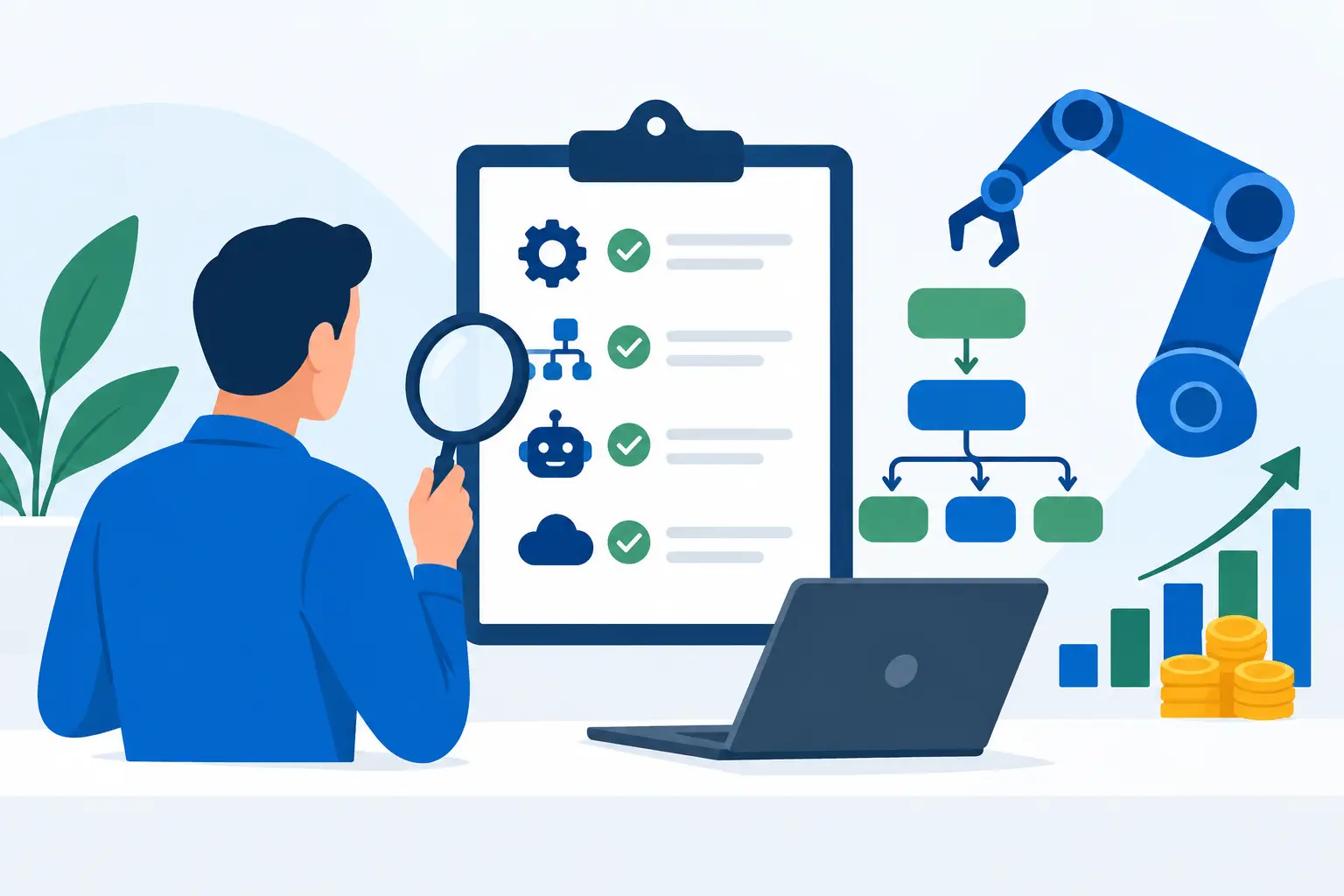
9 Best Service Business Automations
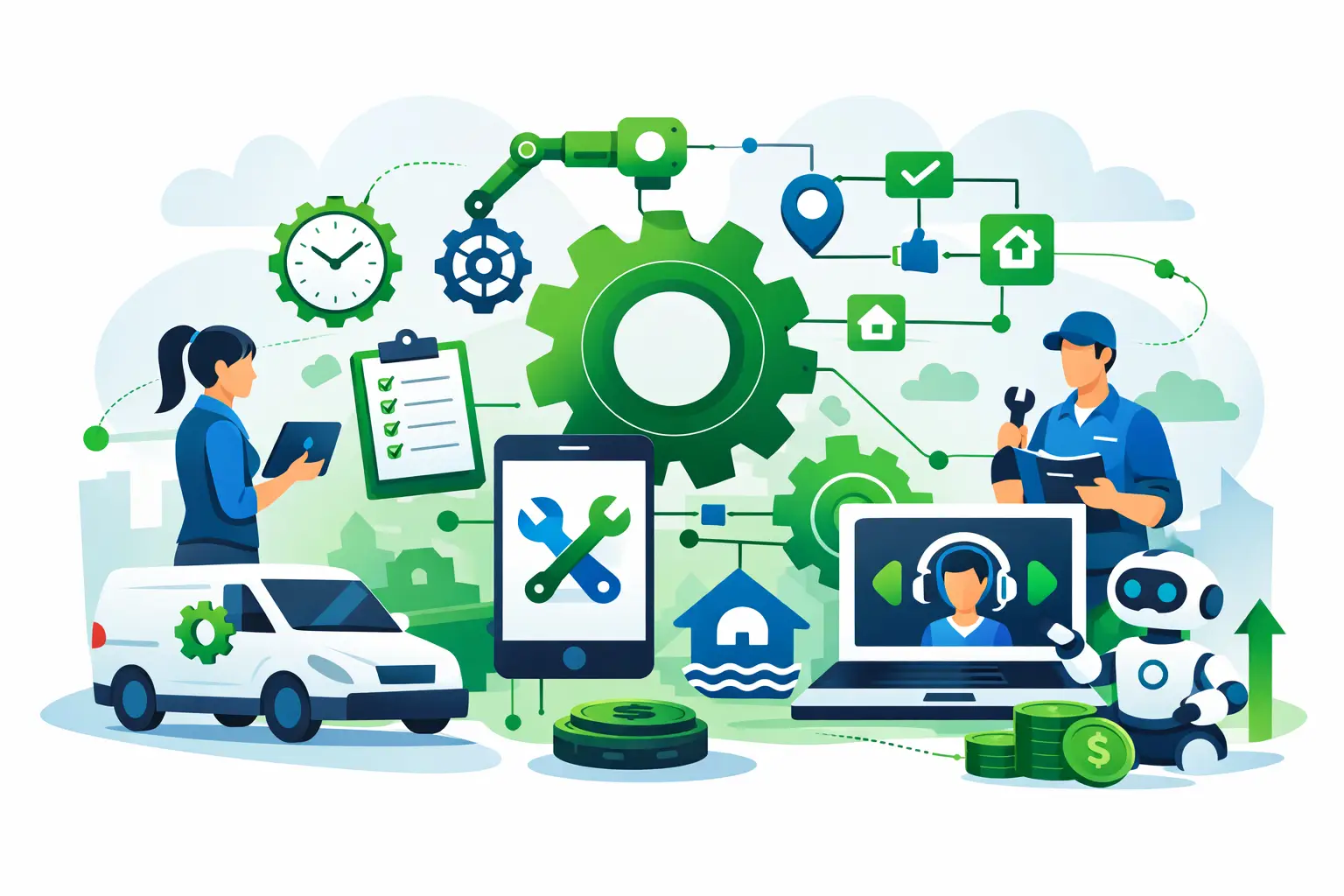
If your team is still copying lead details from one tool to another, chasing invoices by hand, or sending the same onboarding email 40 times a month, you do not have a staffing problem first. You have a systems problem. The best service business automations are not flashy AI demos. They are the workflows that cut wasted payroll, reduce handoff errors, and make growth possible without hiring ahead of revenue.
That matters because most service businesses do not lose money in one dramatic place. They lose it in small repeats - a missed follow-up, a delayed quote, an unpaid invoice, a forgotten task, a status update nobody sent. One leak is manageable. Fifty of them become margin compression.
What makes the best service business automations worth it
The right automation earns its place fast. It should either recover hours, recover dollars, or protect revenue already being generated. If it cannot be tied to one of those outcomes, it is probably a nice-to-have.
That is also why business owners get burned by generic automation advice. A cleaning company, law firm, roofing business, and med spa may all use CRMs, forms, calendars, and invoices, but the economics are different. The best automations sit where volume, repetition, and delay collide. Usually that means sales follow-up, onboarding, fulfillment, billing, or internal handoffs.
A good rule is simple: if a task happens often, follows a pattern, and creates business risk when missed, automate it.
1. Lead capture and speed-to-contact
This is usually the highest-value starting point because delayed follow-up kills deals. A prospect fills out a form, calls after hours, or messages through an ad, and then waits. If your team responds two hours later instead of two minutes later, conversion drops.
A solid lead automation pushes every new inquiry into one system, tags the source, alerts the right person, sends an instant confirmation, and triggers a follow-up sequence if nobody makes contact. For some businesses, that includes AI-assisted intake questions before a human steps in.
The trade-off is that fast does not mean robotic. If the first response feels canned or off-brand, you can create a different problem. The fix is to automate the timing and routing, then keep the message human.
2. Estimate, proposal, or quote follow-up
A lot of service businesses work hard to generate leads, then let money stall in the proposal stage. Quotes go out. Nobody follows up consistently. Sales reps mean to circle back, but the day gets full.
Automation solves this by starting a timed sequence the moment a proposal is sent. Day one might be a confirmation. Day three could be a reminder. Day six might prompt the sales rep to call. If the prospect opens the proposal multiple times, that can trigger a higher-priority task.
This is one of the best service business automations because it protects revenue already in motion. You already paid to get the lead. You already spent time pricing the job. Letting that deal die from weak follow-up is expensive.
3. New client onboarding
The minute a deal closes, most businesses create chaos for themselves. Somebody needs to send the welcome email, collect paperwork, request access, create the project, notify the team, schedule kickoff, and set expectations. If that sequence lives in one employee's memory, you are one sick day away from a bad client experience.
Good onboarding automation creates the same clean start every time. Signed agreement triggers invoice creation, internal task assignment, intake forms, document requests, kickoff scheduling, and next-step emails. Clients feel organized. Your team stops reinventing the first week of every engagement.
This is especially valuable in high-trust services where early confidence matters. A smooth onboarding process reduces buyer's remorse and cuts the back-and-forth that burns account managers and ops staff.
4. No-show and appointment reminder workflows
For clinics, consultative service firms, home service estimators, and any business with booked appointments, no-shows are hidden revenue loss. The calendar looks full, but realized revenue comes in light because people forget, reschedule late, or never confirm.
The fix is straightforward. Confirmation messages go out immediately. Reminder texts and emails follow at set intervals. If a client confirms, the system stops nudging. If they do not, the system prompts a call or opens the slot to someone on a waitlist.
This is not complicated, but it is high impact. When one missed appointment costs hundreds of dollars, small attendance gains add up fast.
5. Task handoffs between sales, fulfillment, and operations
Most service businesses do not break because of one department. They break in the gap between departments. Sales promises one thing, fulfillment sees another, operations gets incomplete details, and the client ends up repeating themselves.
That is where handoff automation matters. When a deal changes stage, the system should create the right internal tasks, pass structured notes, assign owners, and set due dates automatically. If required fields are missing, it should stop the handoff until the information is complete.
This is less glamorous than AI content generation, but far more valuable. Clean handoffs reduce rework, client frustration, and margin loss from avoidable mistakes.
6. Accounts receivable and overdue invoice recovery
If you have money sitting in unpaid invoices, you are financing your clients' operations. That is not a cash flow strategy. It is drift.
Billing automation sends invoices on time, confirms receipt, issues reminders before due dates, escalates overdue notices, and flags accounts that need human intervention. More advanced setups can pause future work, notify account owners, or trigger payment plan options based on account rules.
The obvious benefit is faster cash collection. The less obvious one is reduced emotional labor for your team. Chasing money manually is inconsistent and uncomfortable, which is exactly why it gets delayed.
7. Review requests and reputation follow-up
Many service businesses deliver great work and still have weak online proof because nobody systematically asks for reviews. Then the owner wonders why leads trust a competitor with fewer years in business but 10 times the social proof.
A simple post-service workflow can request feedback at the right moment, route unhappy responses internally before they become public, and ask happy clients for a review. Timing matters here. Ask too early and the client has not seen value yet. Ask too late and the moment has passed.
This automation is not just about vanity. For local and service-based companies, reputation directly affects lead conversion and ad performance.
8. Recurring client communication and status updates
A surprising amount of churn comes from silence, not bad work. Clients start wondering what is happening, whether anyone is on top of things, and why they had to ask for an update.
Automated status communication keeps clients informed without forcing your team to type the same message over and over. That could mean weekly progress emails, milestone alerts, delivery notifications, or reminders about items blocking progress.
The caution here is over-automation. If every update feels generic, clients notice. The best version blends system-generated updates with real human context where it counts.
9. Reporting that exposes wasted time and profit leaks
Many owners think they need more automation when what they really need first is visibility. If you cannot see where time is being lost, you will automate the wrong thing.
Operational reporting automation pulls data from your CRM, invoicing, scheduling, forms, and project tools into one view. It can show lead response time, proposal close lag, onboarding delays, unpaid invoices, task bottlenecks, and drop-off points in the client journey.
This is often the difference between random tool stacking and real operational improvement. If we cannot back an automation with math, it should not be first in line.
How to choose the best service business automations first
Do not start with what sounds modern. Start with what is expensive to leave broken.
In practice, that usually means ranking opportunities by four factors: frequency, labor cost, revenue impact, and error risk. A task done 200 times a month by admin staff may matter more than an AI experiment used twice a week. A missed follow-up tied to $5,000 jobs deserves more urgency than a prettier internal notification.
There is also an order to this. Automating a messy process too early can make bad operations faster. First get clear on the workflow, who owns each step, what data is required, and what success looks like. Then automate.
For most established service businesses, the first wins come from a short list: lead response, onboarding, handoffs, billing, and reminders. Those are close enough to revenue that the payoff is usually visible within weeks, not quarters.
Where owners waste money when implementing automation
The most common mistake is buying software before diagnosing the process. The second is delegating strategy to a tool vendor whose real goal is selling licenses. The third is building around edge cases and ignoring the 80 percent of work that happens every week.
This is why audits matter. A serious automation plan should map the workflow, quantify the waste, and rank fixes by financial impact. Otherwise you end up with scattered apps, partial integrations, and a team that still relies on Slack messages and memory to run the business.
Nils Digital has seen this pattern across 200+ service businesses. The companies that get real results are not the ones with the most tools. They are the ones that know exactly which broken steps are costing them hours and dollars, then fix those first.
Want to know exactly where AI could save you 20+ hours a week? Book a free call at nilsdigital.com/automation. The right automation should pay for itself in recovered time, cleaner operations, and dollars you were already losing.