Lead Response Automation System That Wins Jobs
A prospect fills out your form at 7:18 p.m., calls while your front desk is busy, or sends a text after seeing an ad. By the time someone responds the next morning, they have often contacted two competitors. A lead response automation system closes that gap. It does not replace your sales team. It makes sure they get a qualified conversation instead of a stale notification buried in an inbox.
For a service business, slow response is not a minor admin problem. It is a revenue leak with a payroll cost attached. You can spend heavily to create demand, but if leads sit unworked for hours, your marketing budget is funding your competitors' pipeline.
Why fast lead response changes the math
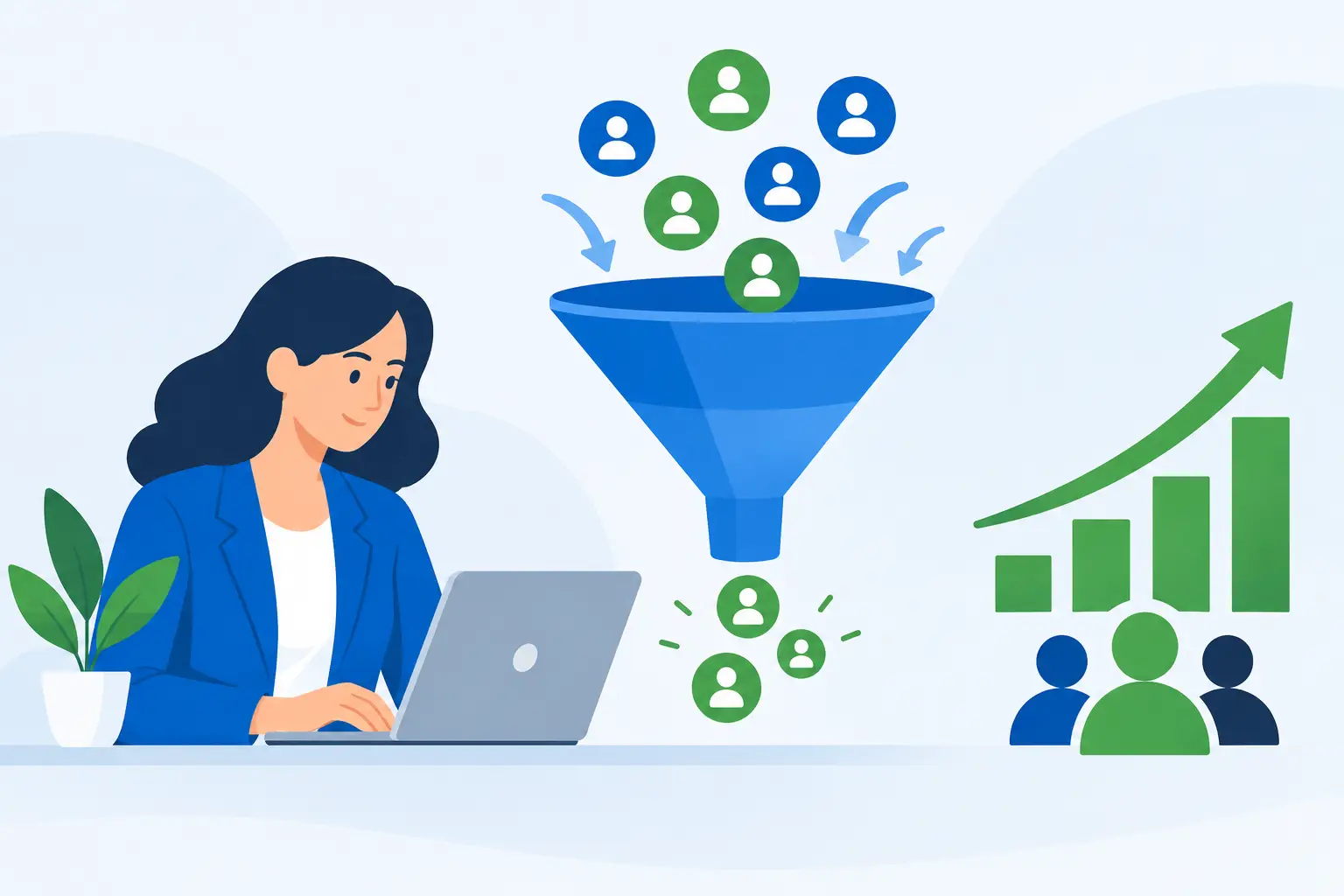
Speed matters because intent decays quickly. The person looking for an emergency plumber, a family law consultation, a med spa appointment, or commercial cleaning is not researching for entertainment. They have a problem they want solved. The first business to acknowledge the request, answer the obvious question, and create a next step has a meaningful advantage.
Most owners know this. The breakdown is usually operational. Leads arrive through calls, web forms, Google Ads, chat, Facebook, referral emails, and scheduling tools. A receptionist may be handling a customer. A salesperson may be in an appointment. The owner may be the only person who can quote the work. Nobody is lazy. The system is simply relying on people to notice and act perfectly across too many channels.
Here is the expensive version of that problem: a business gets 80 leads per month, converts 20% when contacted quickly, and earns an average of $2,500 per new client. If 20 leads go cold because follow-up is inconsistent, recovering only four of them adds $10,000 in monthly revenue. If the fix costs less than that, the decision should not be based on whether automation feels sophisticated. It should be based on the numbers.
What a lead response automation system should actually do
Software alone is not a system. A real lead response automation system defines what happens from the first inquiry through the booked appointment, estimate, or sales conversation. It must fit your sales process, capacity, service area, and the way your team actually works.
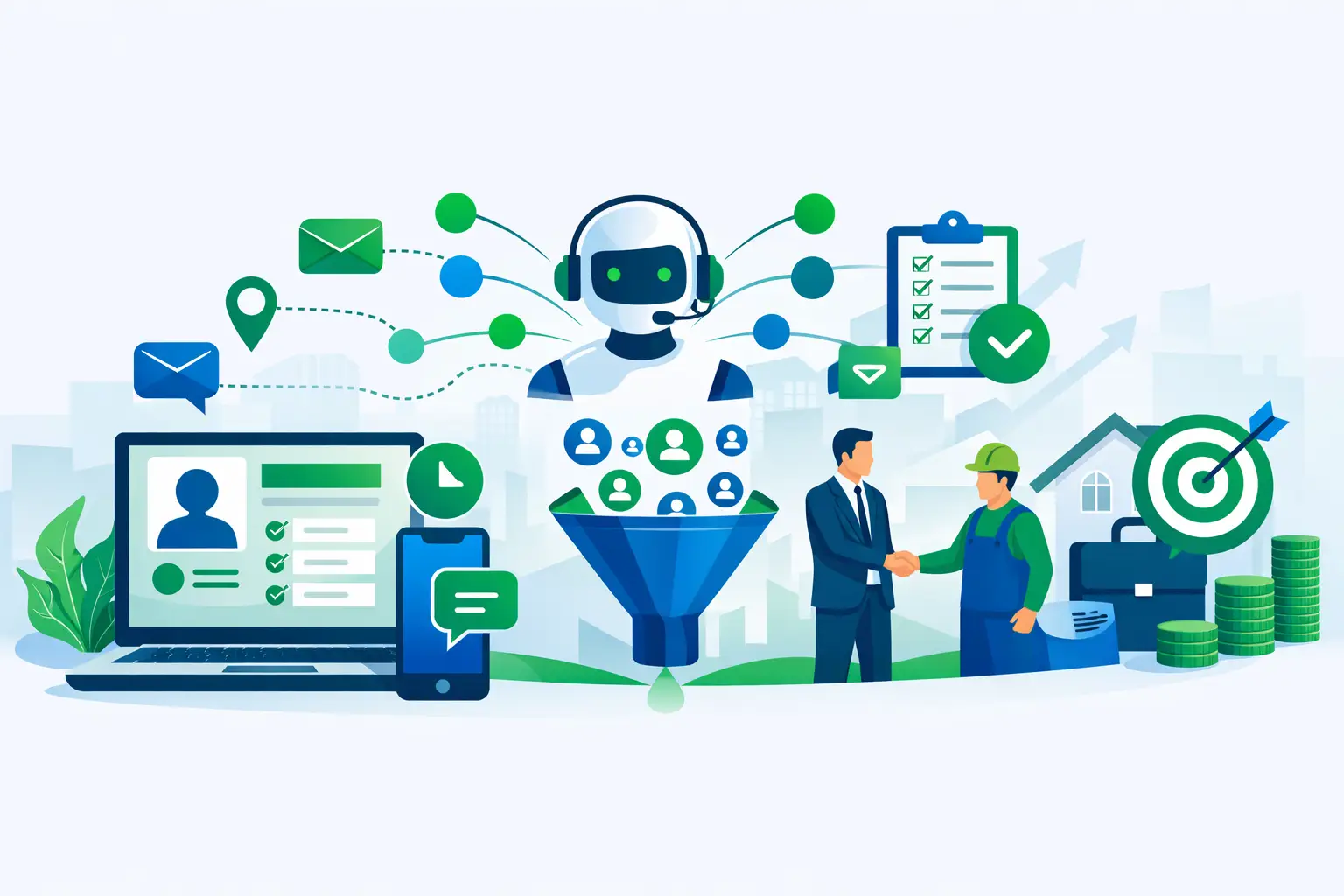
At a minimum, it should capture every inquiry in one place, immediately confirm receipt, route the lead to the right person, trigger the next action, and escalate when no one follows through. The goal is not to send robotic messages all day. The goal is to remove the dead time between interest and human contact.
Capture leads without forcing staff to hunt for them
The first job is consolidation. A web form should not create an email that gets read later. A missed call should not remain only in a phone log. A chat request should not require someone to copy details into a spreadsheet.
Each source should create a contact record with the lead's name, phone number, email, requested service, location, source, and timestamp. That record should land in the system your team uses to sell and serve clients, whether that is a CRM, job management platform, or a structured operating dashboard.
This is also where data quality matters. If your form only asks for a name and email, your team has little context and the follow-up is slower. If it asks 18 questions, conversion drops. The right intake collects enough information to route and qualify the request without making a motivated prospect do your internal paperwork.
Respond immediately, but do not pretend a bot is a salesperson
An immediate text or email should confirm the request and set a specific expectation. For example: "We received your request for a roof inspection. A team member will call you shortly. If you prefer, reply with the best time today." That message is useful because it reassures the prospect and gives them an easy way to engage.
The message should not promise a five-minute call if nobody can make one. It should not dump a generic brochure into their inbox. And it should not use AI to answer high-stakes questions in healthcare, legal, financial, or compliance services without clear guardrails and human review.
AI can help classify a request, summarize conversation history, draft a tailored first reply, or flag likely urgency. It should not be given authority to invent pricing, eligibility, clinical advice, or contract terms. The higher the consequence of a wrong answer, the tighter the workflow needs to be.
Route by revenue potential and availability
Not every lead belongs in the same queue. A high-value commercial request may need an owner or senior estimator. A routine consumer inquiry may go to an appointment coordinator. Existing-client service issues may need operations rather than sales.
Good routing uses rules your team can explain: service type, geography, job value, urgency, language, existing customer status, and who is on duty. It also accounts for capacity. Sending every lead to your best salesperson sounds logical until that person is overloaded and response times rise again.
The system needs a backup path. If the assigned person does not call or mark the lead contacted within a defined window, the lead should move to another person and alert a manager. Accountability cannot depend on someone remembering to check a task list at the end of the day.
Continue follow-up until there is a real outcome
A lead is not handled because someone sent one text. Your system should distinguish between contacted, engaged, qualified, booked, quoted, won, lost, and unresponsive. Those statuses reveal where revenue is leaking.
For unresponsive leads, a short sequence of useful follow-ups can recover opportunities that would otherwise disappear. The exact cadence depends on the service. A same-day HVAC request needs aggressive follow-up. A commercial consulting engagement may need a slower, more considered sequence. In both cases, messages should stop when the prospect books, replies, opts out, or is clearly disqualified.
Build the workflow around your real bottleneck
Many companies start by asking which AI tool to buy. That is backward. Start with the bottleneck that has a measurable financial cost.
If your team receives leads but takes four hours to reply, the first fix is instant acknowledgement, routing, and an escalation rule. If they reply quickly but appointments do not get booked, the problem may be poor qualification, weak scripts, or no convenient scheduling path. If appointments are booked but estimates are not followed up, the issue is sales workflow, not lead intake.
This is why a generic automation template often disappoints. It automates activity without identifying the constraint. You end up with more notifications, more tools, and no improvement in close rate.
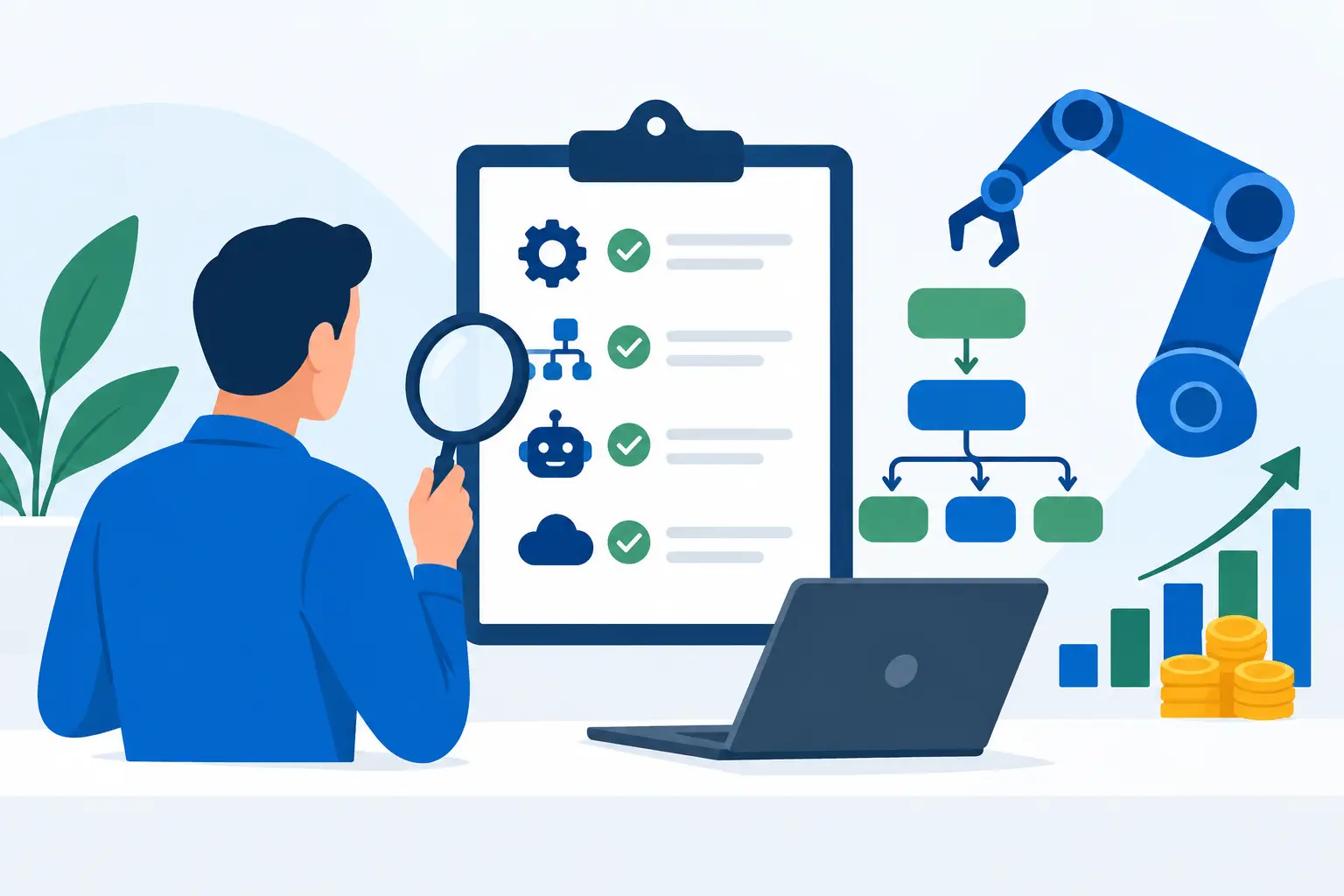
Before building, measure your current baseline. Track lead volume by source, median first-response time, contact rate, appointment rate, show rate, quote rate, close rate, average client value, and the number of leads with no documented next step. You do not need perfect reporting on day one. You do need enough visibility to prove whether the system is recovering dollars.
The trade-offs owners should consider
Automation can create speed, but it can also create damage when built carelessly. Over-automated messages feel impersonal, especially for expensive or sensitive services. Too many reminders can turn a prospect away. Complex integrations can fail quietly if nobody owns monitoring.
There is also a staffing reality. A faster system may expose that you do not have enough people to take calls, perform estimates, or fulfill work. That is not a reason to avoid it. It is valuable information. Better demand capture without operational capacity creates a new bottleneck, and smart owners plan for it before increasing ad spend.
The best system is usually simpler than vendors make it sound. It uses a limited number of channels, clear triggers, human ownership, and reports that answer practical questions: How fast did we respond? Who owns this lead? Did they book? What did we win? What is still sitting untouched?
How to know whether your system is working
Do not judge success by how many automations you have or how polished the dashboard looks. Judge it by recovered revenue, reduced response time, fewer missed leads, and less manual chasing.
A practical monthly review should compare each source. You may find that Google Ads leads receive fast calls and close well, while referral emails wait until the next day. You may find that one location books 40% of qualified leads while another lacks a clear handoff. Those are management decisions with real financial consequences.
At Nils Digital, we approach automation from that angle. We map the workflow, calculate wasted hours and lost dollars, then rank the fixes by financial impact. If we cannot back a recommendation with math, it does not make the roadmap.
The right lead response system should make your business easier to run, not more complicated to explain. When every serious inquiry gets a fast, appropriate next step and no lead disappears without ownership, your team can spend more time closing and serving clients instead of searching inboxes.
Want to know exactly where automation could recover hours and revenue in your lead process? Book a founder-led call with Nils Digital's automation team.