Holiday Gift Card Ideas for a Golf Academy
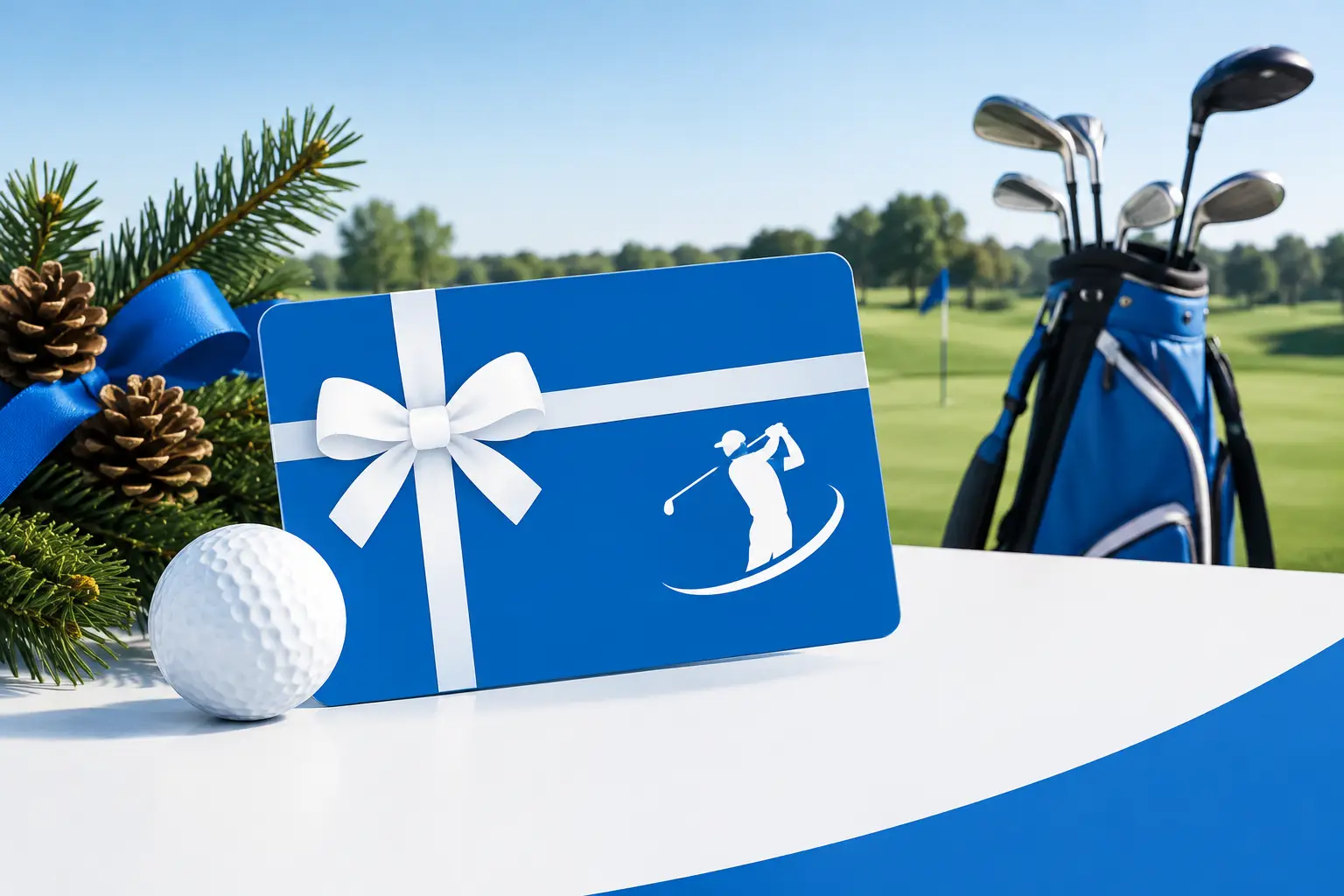
The best holiday gift card ideas for a golf academy do more than put cash in the register during December. They turn empty winter lesson slots into paid appointments, bring back former members, and give current clients an easy gift they can buy in under two minutes.
A generic “any amount” gift card will sell a few times. A specific offer tied to a clear result will sell more often and create a better first visit. Someone shopping for a golfer does not always know whether to buy a 30-minute lesson, a simulator session, or a junior program. Your job is to remove that decision.
Start With Open Capacity, Not Gift Card Designs
Before choosing an offer, look at the spots you actually need to fill. A golf academy with open weekday afternoon lesson blocks has a different holiday offer than one trying to fill a January junior clinic or keep an indoor simulator busy after 5 p.m.
Take 20 minutes to list your available capacity from January through March. Separate it by service, day, and time. For example, you may have 18 open private-lesson slots each week between 1 p.m. and 4 p.m., but only four openings after work. Do not build a gift card campaign around the four spots you can already sell.
This is the same mistake a swim school makes when it promotes its most popular Saturday class while 24 weekday spots remain open. The offer should direct demand toward the capacity that is costing you money right now.
If your standard one-hour lesson is $120 and you have 12 open weekday spots per week for eight weeks, that is $11,520 in available lesson revenue. You do not need every gift card buyer to become a long-term member to make the campaign worthwhile. But you do need the offer to point them toward those open slots.
5 Holiday Gift Card Ideas for a Golf Academy
The strongest offers are easy to understand from a phone screen. They have a named recipient, a clear first step, and an expiration date that creates action without making the gift feel restrictive.
1. The First Lesson Gift Certificate
Sell a fixed-price first lesson for adults who have not worked with your academy before. Call it what it is: a 60-minute swing evaluation and improvement plan, or a first golf lesson with a coach.
A buyer understands this immediately. They are not choosing a package level for someone else. The recipient books one appointment, meets a coach, and leaves knowing what to work on next.
This works especially well if your coaches can make a next-step recommendation before the person leaves. A $99 first-lesson gift card can lead to a $360 four-lesson package, but only if the follow-up is built into the experience. Have the coach recommend the next package, then send the recipient a text within 24 hours with two available times.
Do not offer this price to everyone forever. Make it for new clients only and give it a redemption window, such as January 2 through March 31.
2. A Three-Lesson Winter Improvement Pack
A single lesson is easier to buy, but three lessons are more likely to produce a visible result. This is a better holiday gift for spouses, adult children, or regular golf partners who know the recipient wants to improve.
Package it around a specific goal: “Break 90 Winter Plan,” “Build a Reliable Driver,” or “Golf Fundamentals in Three Lessons.” Keep the name simple and make sure the actual coaching matches the promise.
For example, a three-lesson pack could include a baseline swing review in session one, a focused skill plan in session two, and a practice review in session three. If each lesson normally costs $120, you can sell the package at full value and add a small bonus that does not cut your margin, such as a 20-minute practice-plan review or one simulator range session during an off-peak period.
The trade-off is that a higher-priced package needs more explanation. Use it in email and at the front desk, but make the first-lesson offer the simplest option on social posts and paid ads.
3. Junior Golf Clinic Credit
Holiday gifts are not just for adult players. A junior clinic credit gives a buyer a concrete gift without forcing them to guess which session fits the child’s schedule.
Instead of selling a vague dollar amount, sell credit toward a named spring program. For example: “$150 toward Spring Junior Golf Academy” or “One month of beginner junior golf instruction.” The recipient still needs to select a class, which lets you place them in an age- and skill-appropriate group.
This is useful when spring enrollment opens in December but parents are not ready to commit during a busy holiday week. The credit gets a decision made now. Your registration team can follow up in early January before the preferred class times fill.
Be direct about what the credit covers and whether it applies to equipment, membership fees, or only tuition. Confusion creates refund requests and extra front-desk work.
4. Indoor Simulator and Coaching Bundle
If you have simulators, do not sell only simulator time unless that is your core product. Bundle off-peak simulator access with a coach-led session so the gift has a clear outcome.
One practical offer is a 45-minute swing analysis followed by two 60-minute simulator practice sessions, redeemable Monday through Thursday before 4 p.m. The time restriction matters. It protects your highest-demand hours while filling capacity that might otherwise sit unused.
A climbing gym can use the same approach with an intro class plus off-peak day passes. The offer is not a discount for its own sake. It moves new clients into hours where the facility has room.
State the booking rules before purchase. If the buyer expects a Saturday evening simulator booking and the card is valid only on weekday afternoons, you have created a problem before the first visit.
5. Give a Gift, Get a Practice Credit
Your current members are your easiest holiday buyers because they already know the coaches and the facility. Give them a reason to purchase a gift card for someone else without reducing the value of the gift.
For example, a member who buys a $150 new-client lesson gift card in December receives a $25 practice credit for January. The credit can be used only for an off-peak simulator session, a group clinic, or another service with available capacity.
This works because both people get something useful. The recipient gets a defined first experience. Your existing member has a reason to buy now and another reason to return in January.
Set a limit. One practice credit per member is usually enough. Without a limit, a small group of frequent buyers can turn the offer into a larger discount than you intended.
Make the Purchase and Redemption Process Short
A holiday offer fails when the buyer has to call during business hours, wait for a reply, and explain what they want. The purchase path should take three steps: choose the offer, pay, and receive a gift email or printable certificate immediately.
Your confirmation should answer four questions without requiring a phone call: what was purchased, who can use it, when it expires, and how to book. Put the booking instructions on the certificate and in the recipient email.
Then create a simple redemption workflow. When a gift card is purchased, tag it by offer type and send one reminder to the buyer before the holiday, then one to the recipient shortly after January 1. If it has not been booked after 14 days, send another message with two specific openings.
“Your gift card is ready to use” is weak. “We have Tuesday at 2 p.m. or Thursday at 3 p.m. available for your first lesson” gets a decision.
Measure What Happens After the Gift Is Redeemed
Track more than holiday sales. You need to know whether each offer creates a client who returns.
At minimum, record the number sold, percentage redeemed, average days from purchase to booking, percentage that buys another service, and revenue collected within 60 days of redemption. Review those numbers by offer, not as one combined gift-card total.
Suppose you sell 30 first-lesson cards at $99. If 24 are redeemed and eight recipients buy a $360 package, the campaign produces $5,850 in collected revenue before counting future renewals. If only two people continue, the issue may not be the holiday offer. It may be slow follow-up, unclear coach recommendations, or a booking process that leaves people waiting.
The goal is not to run a bigger December promotion every year. It is to build a repeatable path from a gift buyer to a first visit, a second purchase, and a member who stays. A clean offer and fast follow-up will beat a prettier gift certificate every time.
Want more members who stay? Book a 15 minute call with Nils Digital.