Holiday Gift Card Ideas for a Volleyball Club
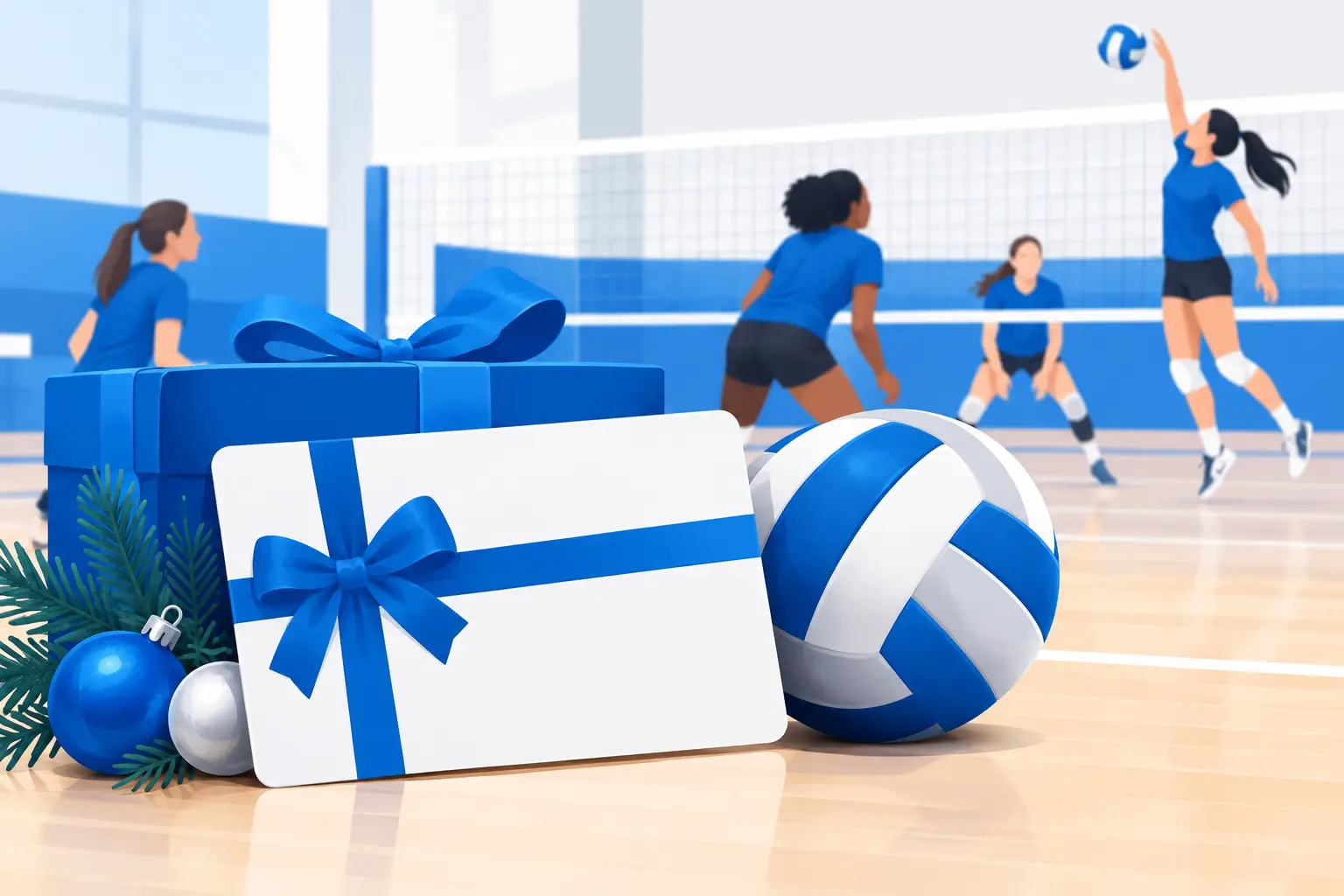
A $50 gift card can either create a new full-price registration or become a discount that cuts into a spot a member would have bought anyway. The difference comes down to the offer, the timing, and whether your holiday gift card ideas for a volleyball club are built around real capacity.
For most clubs, December is not the time to invent a complicated promotion. Parents are buying for athletes. Adult players are looking for practical gifts. Former members may be deciding whether to come back for winter training. Give each group a simple reason to buy now, then make redemption easy enough that your front desk is not chasing emails in January.
Start with the spots you actually need to fill
Do not put a generic gift card on sale just because other businesses do it. Start with your schedule. Pull up the next 90 days and mark the programs with room to grow: a Saturday skills clinic with 11 of 18 spots filled, a middle-school league that needs eight more players, or six private lesson blocks that coaches can take after school.
Those are the offers your gift cards should support. A club with a packed 14U travel team does not need to push credit toward that team. It may need to sell a January serving clinic, beginner evaluations, or adult open-play passes instead.
This protects your revenue in two ways. First, you avoid giving away margin on programs that would have filled at full price. Second, you direct holiday demand toward capacity that would otherwise sit empty. If a 12-player clinic has four open spots at $85 each, filling those spots produces $340 in revenue from time that is already scheduled.
5 holiday gift card ideas for a volleyball club
The best option depends on your member base and your calendar. Keep the choices tight. Too many card types make purchase and redemption harder for everyone.
1. A fixed-dollar club credit
A $50, $100, or $150 club credit is the most flexible option. It can apply to clinics, camps, private lessons, open gym, or a future session. This works best when your registration system can track a remaining balance without manual spreadsheets.
Set a minimum purchase that makes sense for your programs. If your lowest-priced clinic is $35, a $25 card creates unnecessary partial payments. A $50 card gives the buyer a clear gift while moving the recipient toward a larger registration.
Make the rule plain: credit applies to eligible programs, is not redeemable for cash, and expires on a specific date if your state law and gift-card rules allow that structure. Have your local legal or accounting adviser confirm the terms before you publish them.
2. A holiday clinic package
Package a specific experience instead of selling a dollar amount. For example, offer a three-hour holiday break clinic for ages 10 to 13, with serving, passing, and small-sided games. The buyer knows exactly what they are giving. Your staff knows exactly when to expect the athlete.
This is especially useful when you have lower attendance during school breaks. A gymnastics gym can use the same model for a skills camp. A swim school can use it for a school-break intensive. The offer succeeds because it turns unused daytime capacity into a clear gift, not because it has a clever name.
Price the package at the normal program rate. If you want an incentive, add a low-cost bonus such as a club T-shirt or a $10 concession credit rather than cutting 20 percent from the registration price.
3. A private lesson gift certificate
Private lessons are easy for grandparents, relatives, and adult players to understand. They also work well for athletes who are already on a team but want more work on serving, setting, or hitting.
Be honest about coach availability. Selling 30 private-lesson certificates when your coaches have room for 12 creates a January problem that lands on your staff. Limit the quantity based on actual coaching hours, and specify the valid booking window.
For example, if two coaches can each teach four extra lessons per week for six weeks, you have 48 potential appointments. Do not sell all 48 certificates. Hold back 20 percent for weather cancellations, staff changes, and existing members who book directly. Sell 38, then close the offer.
4. A first-session gift for new players
A gift card can be an entry point for an athlete who has never joined your club. Offer a certificate for one beginner clinic, one evaluation, or the first month of a developmental program. This is more useful than a broad discount because it gives the recipient a defined next step.
The follow-up matters. When a new athlete redeems, collect the parent or player contact information at registration and schedule the next conversation before the program ends. If the athlete attends a four-week beginner block, send the next-session recommendation in week three, not after the final class when attention has moved on.
A soccer academy can use the same approach with a first skills class. A martial arts school can use it with an introductory month. The gift gets the person through the door. The program, staff experience, and follow-up determine whether they stay.
5. An adult volleyball pass
Adult leagues and open-play sessions are often easier to sell during the holidays than youth programs. Friends can buy a five-session pass for a teammate, spouse, or coworker. The recipient can use it across a defined season, which helps you forecast attendance.
Avoid unlimited access unless your open gym has plenty of unused space. A five-visit pass at a set price is easier to manage than a vague card that can be used forever. It also gives your staff a natural chance to invite the player into the next league cycle after visit three or four.
Make the card easy to buy in under two minutes
The offer can be strong and still fail if checkout is slow. A buyer should be able to choose an amount or package, enter the recipient name, pay, and receive a digital certificate without calling the club.
Use one page per offer or one checkout page with no more than three choices. Include the age range, what the card covers, the redemption deadline, and a direct contact for questions. Put the certificate in the buyer's email immediately. If you offer a printable version, make it clean enough to hand over at a holiday gathering.
Do not require the recipient to remember a promo code from a screenshot. Assign each card a unique code or load the credit directly to the member account. Manual tracking may work for five cards. At 40 cards, it becomes a staff task that creates missed credits and frustrated clients.
Promote to the right groups, not your entire list
Your current members are the first audience, but they are not the only one. Segment your messages. Send one version to active youth members that focuses on extra skill work and school-break clinics. Send a different message to former members who attended within the last 12 months, inviting them back with a defined winter option.
Adult players should see adult passes, not youth camp certificates. A parent whose athlete is already enrolled in a full travel schedule may be more interested in a private lesson than another team program.
Give the offer a real deadline. For example, sell through December 22 for emailed certificates that arrive instantly, then keep digital sales open through December 24 only if your staff can support questions. Do not extend the deadline three times. That trains buyers to wait.
Use a simple target so you know whether the campaign worked. If you have 800 active contacts and want to sell 24 certificates at an average of $90, the goal is $2,160 in holiday revenue. Track purchases by offer, redemption rate, and the number of recipients who later enroll in another program. A card that sells well but never brings people back may still be useful cash flow, but it is not your strongest retention tool.
Protect the experience after redemption
The holiday sale is only the first transaction. The real test is what happens when the recipient shows up. Make sure coaches know which clinics or sessions include gift-card recipients, greet new athletes properly, and give a clear recommendation for the next program.
If a 12-year-old redeems a serving clinic in January, the follow-up should not be a generic monthly newsletter. It should say which February clinic fits their age and skill level, what day it runs, and how many spots remain. That takes five minutes to set up before the clinic. It can save hours of follow-up later.
The strongest gift card is not the one with the biggest discount. It is the one that fills a planned opening, gives the recipient a good first experience, and creates a clear reason to register again.
Want more members who stay? Book a 15-minute call with Nils Digital.