How to Keep Lacrosse Program Members Through the Holidays
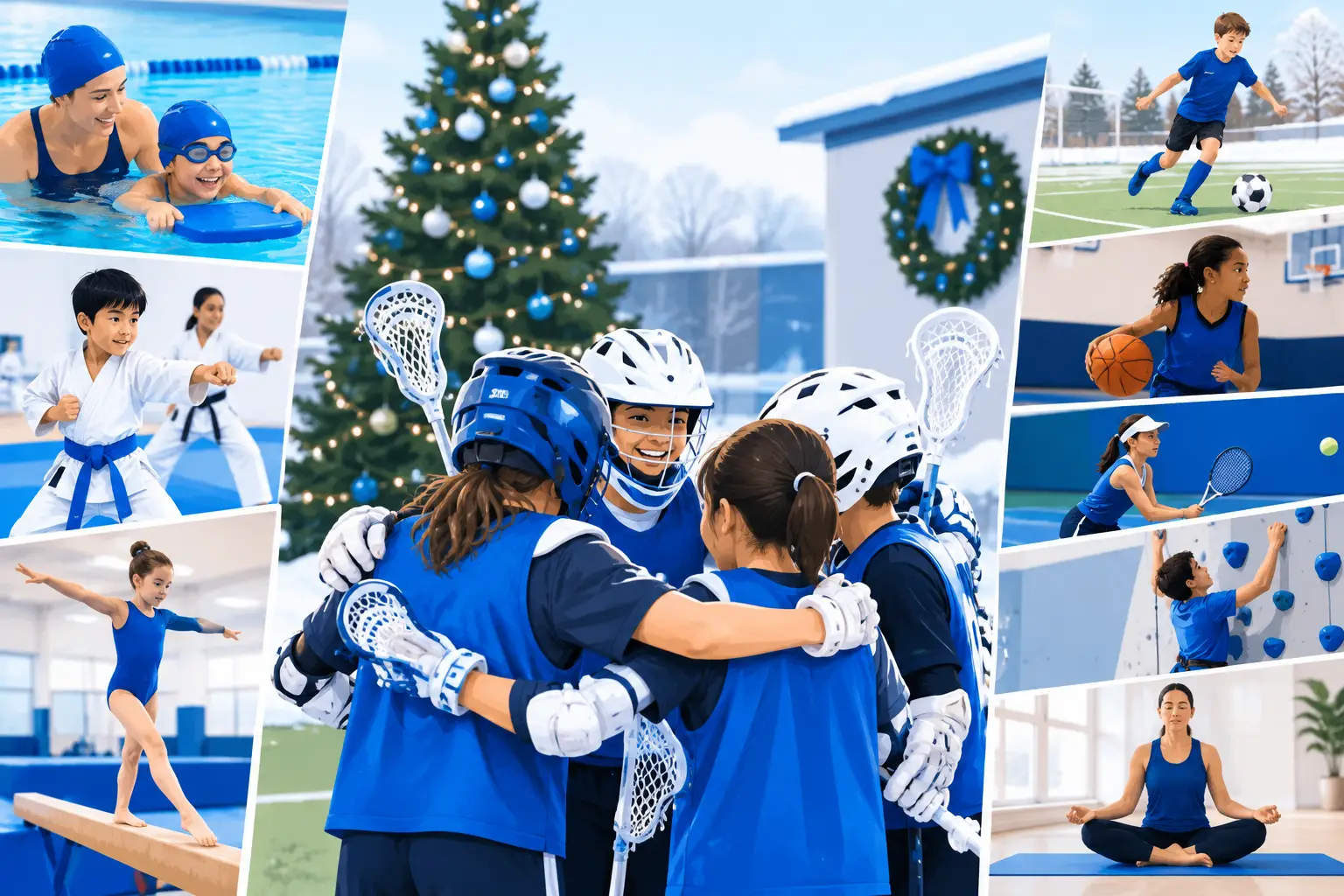
Holiday drop-off usually starts before Thanksgiving. A member misses two practices for travel, then sees a December payment, then tells themselves they will restart in January. That is why knowing how to keep lacrosse program members through the holidays is less about one big promotion and more about preventing small decisions from becoming cancellations.
For a lacrosse program, December is not a dead month. It is the month when you protect spring revenue. If 30 members leave a $180-per-month program for six weeks and only half return, you have not just lost attendance. You have created open spots, extra follow-up work, and a harder January enrollment target.
The goal is simple: give members a clear reason to stay enrolled, a practical way to handle travel, and a specific date they can look forward to after the break.
Start retention before holiday schedules take over
Do not wait until a member asks to cancel. By then, the decision is often already made. Start your holiday retention plan 30 to 45 days before the first major holiday break.
Send one clear message to every active member with three pieces of information: the holiday practice schedule, the last date to make changes to enrollment, and what happens in January. Keep it short. A parent or adult player should be able to understand it in 30 seconds on a phone.
A soccer academy might say, "Winter training continues through December 18. Members keep their current practice spot through January 31. If you will miss a session because of travel, use one makeup session before February 15." A lacrosse program can use the same structure.
The key is to frame continued enrollment as keeping something valuable: their practice time, coach continuity, team placement, and progress toward spring. Do not frame it as a favor to the program.
Put the spring benefit in plain language
Lacrosse members stay when they can see the connection between December and spring. A vague message about "staying sharp" is easy to ignore. A specific outcome is harder to dismiss.
For a youth program, explain that winter attendance helps players keep their group placement and enter spring evaluations ready. For a high school offseason program, show the training sequence: stick skills in December, speed and change-of-direction work in January, small-sided play in February, and spring preparation after that.
A member who misses three weeks may still be welcome. But they should understand that the program has a plan, and that staying enrolled keeps them in it.
Make travel manageable without making cancellations easy
Holiday travel is real. A rigid policy can push otherwise happy members out. But an overly loose pause policy teaches members that enrollment is optional whenever life gets busy.
The best policy is usually a limited, defined accommodation. For example, allow one makeup session during a 60-day period, or offer a two-week holiday hold only when the request is submitted by a set date. Keep the option simple enough for staff to explain without checking with the owner every time.
A gymnastics gym with 180 active members may spend five to ten staff hours each December handling individual schedule exceptions. A written holiday policy can cut that down to one message, one form, and a short weekly review.
Avoid creating a menu of exceptions. If one member can pause for three weeks, another will ask for five. If a member can roll unlimited credits into spring, your front desk will spend January untangling old balances instead of filling open spots.
Use makeups carefully
Makeups work when your program has available capacity. They become a problem when every session is already full.
If your lacrosse groups are at 80% capacity, a makeup policy may be an easy retention tool. If your prime sessions are full, offer a designated holiday makeup clinic or an alternate skills session instead. That protects the value of the regular schedule while giving traveling members a fair option.
Be direct about the deadline. "One holiday makeup can be used by February 15" is better than "We will work with you." Clear dates reduce back-and-forth and prevent members from assuming an unused credit lasts forever.
Give coaches a small role in retention
Members often stay because of the coach, not because of the registration system. That makes coach communication one of the lowest-cost retention tools you have.
Ask each coach to identify five to 10 members who have missed sessions, seemed disengaged, or mentioned holiday travel. The coach sends a short personal text or email. Not a sales message. A real check-in.
For example: "Hey Jordan, we missed you at skills this week. We are working on off-hand passing and finishing through December. Let me know if holiday travel is affecting your schedule and we will help you plan your return."
That message takes less than two minutes. For a 75-member program, five coaches each sending six messages means 30 members receive a personal reminder that they belong. That is far more useful than sending another generic newsletter.
Do not ask coaches to chase every late payment or manage every enrollment question. Their job is to reinforce connection and progress. Your front desk or admin process should handle the enrollment details.
Build a January return plan before December starts
January is not automatically a reset. Many programs lose members because they reopen with the same schedule, the same messaging, and no reason for an absent member to come back.
Create a January event or milestone that makes returning feel timely. This could be a two-week skill benchmark, a speed testing day, a position-specific clinic included for active members, or the start of a new training block.
A basketball program might use January as the start of shooting benchmarks. A swim school might launch a new level progression week. For lacrosse, it could be a winter combine with sprint times, passing accuracy, ground-ball reps, and shooting targets. The point is not to make the event complicated. The point is to give members a date they do not want to miss.
Announce it before the holiday break. A member who knows that January 8 starts a new block is less likely to treat December 20 as their final session.
Reconfirm every active member's next session
The week before your holiday closure, send a simple confirmation: "Your next scheduled lacrosse session is Tuesday, January 7 at 6:00 p.m." Include the location and any equipment reminder.
This does two things. It reduces confusion after a schedule break, and it catches quiet cancellations early. If a member replies that they are unsure about returning, your team can respond before the spot sits empty for three weeks.
For members who do not return in the first seven days after reopening, follow up once. Reference their last group, their coach, and the next available session. Do not send five automated reminders. One useful message followed by a phone call from the right person is usually enough.
Track holiday retention by cohort, not gut feeling
Most owners know December feels slower. Fewer know exactly which members leave, when they leave, and why.
Track four numbers from November 1 through January 31: active members on November 1, cancellation requests, completed cancellations, and members who attend within the first 14 days of January. Separate new members from members who have been with you for six months or more.
This matters because the fix changes based on the pattern. If newer members leave after one month, your onboarding and early coach connection may be weak. If long-term members pause every December, your calendar or payment policy may need work. If members return in January but do not attend until late in the month, your reopening communication may be unclear.
A lacrosse program does not need a complicated dashboard. A weekly spreadsheet with names, status, reason given, and next follow-up date will show you more than memory ever will.
Keep the message confident
Do not apologize for operating through the holidays. Do not send desperate discounts to every member. A discount may keep a few people temporarily, but it can also teach full-price members to wait for a deal.
Instead, make staying easy and valuable. Publish the schedule early. Offer one fair travel option. Have coaches contact the members most likely to drift. Give everyone a reason to return in January.
The member who stays active through December is more likely to show up ready in January, continue into spring, and refer a teammate who is looking for a place to train.
Want more members who stay? Book a 15-minute call with Nils Digital.